
Understanding Bassline DJ Mixing Dynamics
The Tempo and Energy of Bassline Sets
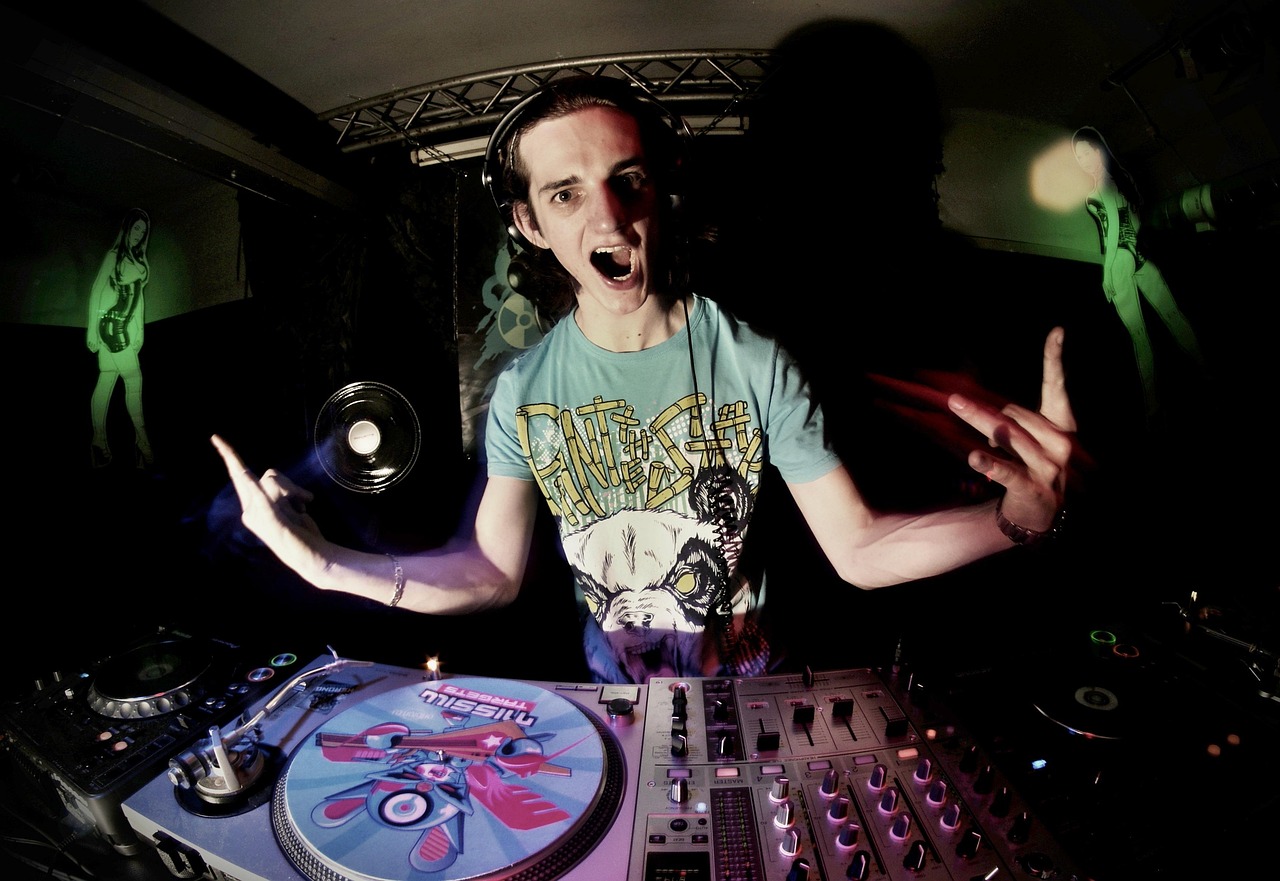
Bassline music, known for its high-octane energy and driving basslines, typically features tempos between 130 and 145 BPM. This rapid pace naturally facilitates a quicker succession of tracks than in slower electronic genres. Fast-mixing DJs in the Bassline scene focus on sustaining an uninterrupted, high-intensity groove, continuously injecting fresh sonic elements to energize the crowd.
Common Mixing Styles for Rapid Transitions
Bassline DJs frequently utilize swift techniques such as quick cuts, short blends, and impactful phrasing. They often play only the most compelling segments of a track, transitioning to the next within 60 to 90 seconds. This rapid-fire methodology significantly increases the total number of tracks experienced within an hour.
Factors Influencing Track Count
DJ Skill and Technical Prowess
A highly proficient Bassline DJ adeptly transitions between numerous tracks per hour, leveraging advanced tools like hot cues, loops, and effects. Their capability to quickly select and seamlessly mix compatible tracks directly impacts the overall song count in a set.
Audience Engagement and Flow
While mixing speed is a genre characteristic, DJs also monitor crowd response. Occasionally, a particularly popular track might be extended slightly. Nonetheless, the fundamental Bassline approach encourages a dynamic, fast-evolving musical journey.
Fast-mixing Bassline DJs typically play between 40 to 60 songs per hour, often exceeding one track per minute due to rapid transitions and quick cuts.