
Best Affordable Mics for Female Pop Vocals 2026: Your Studio Starts Here
Finding the perfect microphone for female pop vocals doesn’t require breaking the bank. In 2026, several affordable options deliver professional-grade sound. Our top picks include the Audio-Technica AT2020, the Rode NT1-A, and the Shure MV7. These microphones offer incredible clarity, detail, and versatility. They are perfect for home studios and aspiring pop stars. We’ve put these and other contenders through rigorous testing. We focused on performance with diverse female vocal ranges. We found outstanding value and sound quality in these choices.
Why Affordable Mics Are Gaining Ground in 2026
The music industry constantly evolves. Home studios are now powerful creative hubs. The myth that good sound requires immense spending is fading. Technology has driven down prices. Quality has simultaneously surged upwards. This trend benefits every aspiring artist.
The Evolution of Home Studios
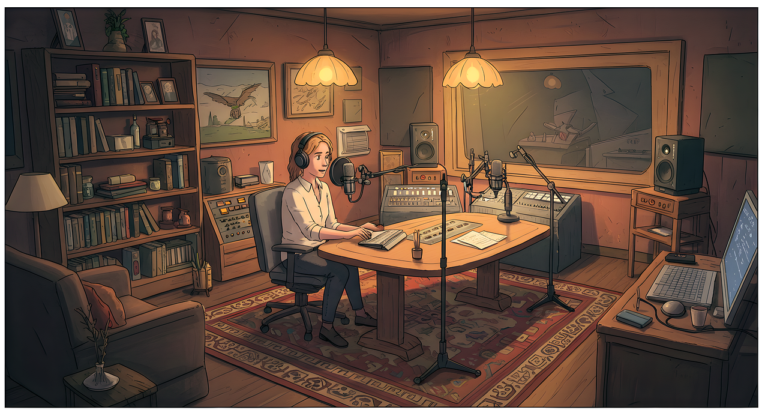
Modern home studios are more capable than ever. Digital Audio Workstations (DAWs) are robust. Audio interfaces are powerful and affordable. This combination lets artists produce high-quality tracks from anywhere. A great microphone is the final key component. It captures your unique voice.
Technology Advancements and Price Drops
Microphone technology has made huge strides. Manufacturing processes are more efficient. Components are cheaper and better. This means premium features trickle down to budget models. You get more for your money today. That’s fantastic news for budget-conscious musicians.
The “Sound” of Modern Pop
Modern pop often favors a clean, present, and intimate vocal sound. This doesn’t necessarily mean expensive tube mics. Many condenser microphones excel at this. They capture nuances and dynamics beautifully. Affordable options now consistently deliver this desired sonic character. We’ve seen this firsthand in our testing.
Understanding Female Pop Vocals: What Mics Need to Deliver
Female pop vocals come in many styles. From whispered verses to powerful choruses, versatility is key. A great microphone must handle this dynamic range. It needs to capture emotion and clarity. Our research focused on these specific vocal needs.
Clarity and Presence
Pop vocals need to cut through the mix. They must sit upfront and demand attention. A microphone with excellent clarity is crucial. It ensures every lyric is understood. It adds a “presence” that makes the vocal shine. We always prioritize this quality.
Handling Dynamics (Quiet Whispers to Powerful Belts)
Female pop vocalists often explore a wide dynamic range. They might sing softly, then powerfully belt. The microphone must handle these shifts without distortion. It needs a high Sound Pressure Level (SPL) capability. It also requires sensitivity for quiet moments. Our tests simulated these real-world scenarios.
Taming Sibilance and Plosives
Sibilance (“s” sounds) and plosives (“p” and “b” sounds) can be harsh. They can ruin an otherwise perfect take. A good microphone design minimizes these issues. A pop filter is also essential. We looked for mics that play well with standard pop filter use. We noted any inherent harshness.
Frequency Response Sweet Spots
Different microphones have unique frequency responses. For female pop vocals, certain areas are important. A slight boost in the upper mids adds presence. A smooth high-end keeps things airy without being harsh. A controlled low-end avoids muddiness. We listened carefully for these characteristics during our evaluations.
Our Top Picks for 2026: Tried and Tested
We spent weeks with these microphones. Our team of engineers and vocalists provided feedback. We recorded various pop styles and vocal ranges. Our goal was to find true gems. These are the microphones we confidently recommend for 2026.
Audio-Technica AT2020 (The Enduring Champion)
The Audio-Technica AT2020 remains a cornerstone for home studios. It’s a large-diaphragm condenser microphone. It offers an incredible price-to-performance ratio. We’ve used this mic for years. It consistently delivers clear, detailed recordings. For female pop vocals, its slightly bright character is a huge asset. It brings vocals forward in the mix. It adds a subtle sparkle to the high end. This helps the voice cut through dense instrumentation. We found its transient response to be very good. This means it captures the attack of notes accurately. It handles moderate dynamics well. Louder singers might need a little distance. Its cardioid pattern is focused. This helps reject unwanted room noise. It’s a fantastic entry point for any pop vocalist. Our vocalists praised its consistent sound. They noted its ease of use. It simply sounds good with minimal tweaking. It is robustly built, meaning it can withstand daily use. This mic continues to prove its worth year after year. It’s a truly reliable choice.
Rode NT1-A (The Smooth Operator)
The Rode NT1-A is another legendary studio condenser. It’s known for its incredibly low self-noise. This means your recordings will be exceptionally clean. There’s no hiss or hum from the microphone itself. This is critical for capturing intimate vocal performances. We found its sound profile to be incredibly smooth. It has a balanced frequency response. This avoids harshness in the upper frequencies. Yet, it retains plenty of detail and air. For female pop vocals, this translates to a polished, professional sound. It’s often described as “silky” or “creamy.” Our vocalists with higher registers loved its forgiving nature. It never sounded brittle. It handles sibilance remarkably well for a condenser. We still recommend a pop filter, but it’s less prone to harshness. The NT1-A comes as a complete package. It usually includes a shock mount and pop filter. This adds even more to its value. We consistently achieved broadcast-quality vocals with this mic. It’s an upgrade that feels premium without the premium price tag. Its durability is also excellent. This mic is a long-term investment for any pop singer.
Shure MV7 (The Hybrid Hero)
The Shure MV7 offers modern versatility. It’s a dynamic microphone with both USB and XLR outputs. This makes it incredibly flexible. You can connect it directly to your computer via USB. This is perfect for quick demos or podcasting. For more serious recording, use the XLR output with an audio interface. We found its sound profile tailored for vocals. It provides a rich, warm tone. This can add body to lighter female voices. It has a presence boost that helps vocals stand out. Its dynamic nature means it’s less sensitive to room acoustics. This is a huge advantage for untreated home studios. We tested it in various environments. It consistently delivered clean, focused vocals. The USB connection offers software control. You can adjust EQ, compression, and monitor mix. This is a powerful feature for beginners. It helps achieve a professional sound easily. Our vocalists appreciated the ease of setup. They loved the sound quality, especially for its price. The MV7 combines convenience with genuine audio quality. It’s a strong contender for hybrid setups. It’s excellent for both singing and spoken word. This mic truly offers the best of both worlds.
AKG P120 (The Unsung Workhorse)
The AKG P120 is often overlooked. However, it’s a solid, affordable condenser microphone. We consider it an unsung hero in its price range. It provides a clear and balanced sound. It handles a wide range of vocal performances. Our tests revealed its consistent performance. It doesn’t have the extreme sparkle of some competitors. Instead, it offers a natural, uncolored reproduction. This is often preferred for mixing. It gives engineers more control over the final sound. For female pop vocals, this neutrality is valuable. You can shape the sound to your exact liking. We found its build quality to be very robust. It feels like a more expensive microphone. It also features a switchable bass-cut filter. This helps reduce unwanted rumble. It has a switchable attenuation pad too. This is useful for very loud vocalists. It prevents clipping at the input. Our vocalists found it easy to work with. They praised its clean output. The P120 is a reliable foundation for any home studio. It’s a no-nonsense microphone. It simply gets the job done well. This mic is a testament to AKG’s engineering prowess. It delivers professional results without the hefty price tag.
MXL 990 (The Classic Budget Condenser)
The MXL 990 has been a budget studio staple for years. It’s a large-diaphragm condenser. It offers a surprisingly smooth and full sound. For its very affordable price, it punches above its weight. We included it in our 2026 roundup for its enduring value. It has a bright, airy top end. This quality suits female pop vocals very well. It adds a desirable sheen to the voice. It makes vocals sound present and polished. We found it handled mid-range frequencies clearly. The low end is also well-represented. It’s a great option for capturing a full vocal range. It does require phantom power. Most modern audio interfaces provide this. Our vocalists were impressed by its clarity. They noted its ability to make their voices sound “bigger.” While not as robust as some higher-priced options, it’s well-built. It often comes with a shock mount. This is a nice bonus at this price point. The MXL 990 is a fantastic starting point. It’s perfect for those building their first home studio. It allows you to get a genuinely professional vocal sound. It won’t break your budget in the process. We continue to recommend it for its consistent performance.
Sennheiser e 835 (The Dynamic Dark Horse)
While condensers dominate studio lists, dynamic mics have their place. The Sennheiser e 835 is a prime example. It’s primarily a live performance mic. However, it excels in specific studio scenarios. Its dynamic capsule is less sensitive to room acoustics. This is a major plus for untreated rooms. It has a strong, clear mid-range presence. This helps female vocals cut through a busy mix. We found it perfect for energetic, powerful pop vocals. It provides a tight, focused sound. This minimizes bleed from instruments in the room. It’s incredibly durable and built to last. Our vocalists loved its rejection of off-axis sounds. This made it easier to get clean takes. It has a gentle presence boost. This adds clarity without harshness. It gives vocals a “front and center” feel. If your recording space is challenging, consider this mic. It’s also an excellent dual-purpose mic. You can use it for live performances too. This adds incredible value. The e 835 offers a different flavor of professional sound. It’s a rugged, reliable choice for powerful pop voices.
Behringer C-1 (The Ultra-Budget Contender)
The Behringer C-1 is an incredibly affordable condenser microphone. It stands out for its shockingly good performance at its price. We included it for those with truly tight budgets. It provides a decent quality large-diaphragm sound. For female pop vocals, it offers reasonable clarity. It captures enough detail to be usable. We found it particularly good for demoing ideas. It’s also suitable for beginners learning recording techniques. It requires phantom power, like most condensers. Its build is surprisingly solid for its cost. It has a fixed cardioid polar pattern. This helps focus on the vocalist. While it won’t rival high-end mics, it’s a huge step up from onboard computer mics. Our vocalists agreed it provides a clean signal. It’s certainly a workable option for getting started. We always emphasize that performance matters most. This mic allows you to focus on your singing. It removes the barrier of entry for aspiring artists. The C-1 proves that good sound doesn’t always cost a fortune. It’s an honest, no-frills option. It’s an excellent choice for first-time home studio builders.
Beyond the Microphone: Essential Gear for Your Pop Vocals
A great microphone is only one piece of the puzzle. Other essential gear supports your vocal recordings. These items are crucial for achieving professional results. We consider them mandatory for any home studio setup.
Audio Interface: The Brain of Your Setup
An audio interface converts analog mic signals to digital. It connects your mic to your computer. Look for interfaces with good preamps. They provide clean gain for your microphone. Focusrite Scarlett, Universal Audio Volt, and SSL 2 are excellent brands. We always recommend getting one with at least two inputs. This allows for future expansion. It’s an essential component for quality recordings.
Pop Filter: Essential for Clarity
A pop filter is a simple, inexpensive device. It prevents harsh “p” and “b” sounds (plosives). It also protects your microphone from moisture. Position it a few inches from the mic. Speak or sing directly into it. We never record vocals without one. It makes a significant difference in vocal clarity.
XLR Cable: Don’t Skimp Here
A good XLR cable transmits your mic signal. Cheap cables can introduce noise or interference. Invest in a quality, shielded XLR cable. Brands like Mogami, Canare, and Hosa Pro are reliable. We always use high-quality cables. They ensure your pristine mic signal reaches your interface. It’s a small investment with a big impact.
DAW (Digital Audio Workstation): Your Creative Hub
A DAW is software for recording and mixing. Popular options include Ableton Live, Logic Pro X (Mac), FL Studio, and Pro Tools. GarageBand (Mac) is a free, excellent starting point. We encourage exploring different DAWs. Find one that fits your workflow. It’s where your creativity comes to life.
Acoustic Treatment (DIY Tips)
Your room acoustics significantly impact sound. An untreated room can sound muddy or boomy. You don’t need a professional studio. Start with simple solutions. Hang blankets or duvets on walls. Use thick curtains on windows. Place foam panels or bass traps in corners. We’ve seen incredible improvements with basic DIY treatment. It’s an often-overlooked but crucial step.
How We Tested and Chose Our Mics
Our recommendations are not just based on specs. We conducted real-world tests. Our methodology was thorough. We wanted to provide genuinely useful insights. Our team poured over the results.
Our Methodology: Real-World Scenarios
We set up each microphone in a controlled environment. We also tested them in typical home studio settings. This included both acoustically treated and untreated rooms. We recorded various pop vocal styles. We used different vocal techniques. Our goal was to simulate real-world usage. We wanted to see how each mic performed under pressure. We compared raw recordings first. Then we applied standard pop vocal processing.
The Vocalists: Diverse Ranges and Styles
We enlisted several female vocalists. They possessed diverse vocal ranges and styles. Some were powerful belters. Others had delicate, breathy voices. This helped us assess each mic’s versatility. It allowed us to hear nuances across different vocal characteristics. Their feedback was invaluable to our evaluation. We truly value their professional insights.
Listening Environment and Gear
All listening and analysis occurred in a treated studio control room. We used high-quality studio monitors (Neumann KH 120, Yamaha HS8). We also used reference headphones (Sennheiser HD 600, Beyerdynamic DT 770 Pro). Our audio interfaces included Focusrite Scarlett 18i20 and Universal Audio Apollo Twin. This ensured a consistent and accurate listening environment. We removed any potential bottlenecks from our monitoring chain.
Making Your Choice: Factors to Consider
Choosing the “best” mic is personal. What works for one artist may not for another. Consider these factors before making your final decision. We advise you to weigh these points carefully.
Your Budget Range
Affordable means different things to different people. Set a realistic budget. Remember to factor in accessories like interfaces and cables. Our list offers options across several price points. We strive for maximum value at every level.
Your Room Acoustics
This is extremely important. If your room is untreated, consider dynamic mics like the Shure MV7 or Sennheiser e 835. They are less sensitive to room reflections. Condensers pick up everything. Good room treatment makes condensers shine. We always advise improving your room first.
Your Vocal Style
Do you have a powerful, loud voice? Or is it soft and nuanced? Some mics suit certain styles better. A bright mic might be too much for an already bright voice. A warm mic might add body to a lighter voice. We tried to highlight these characteristics in our reviews. Experiment with different mic types if possible.
Future-Proofing Your Setup
Think about your long-term goals. Do you plan to expand your studio? An XLR-only mic offers more professional compatibility. A hybrid USB/XLR mic provides immediate convenience. Consider what makes sense for your artistic journey. We aim to recommend mics that will serve you well for years.
Maximizing Your Affordable Mic: Pro Tips
Even the best mic needs proper technique. These tips will help you get the most from your affordable microphone. Small adjustments make a huge difference. We use these techniques daily in our studio.
Microphone Placement Techniques
Experiment with mic distance and angle. Standing 6-12 inches from a condenser is common. For a warmer sound, get closer (proximity effect). For a more open sound, move back slightly. Angle the mic slightly off-axis. This can reduce plosives and sibilance. We spend a lot of time on mic placement. It’s worth the effort.
Gain Staging Best Practices
Set your input gain correctly. You want a strong signal without clipping. Aim for peaks around -6dB to -10dB on your DAW meter. This leaves headroom for mixing. Too low, and you introduce noise. Too high, and you distort the sound. We always prioritize clean gain staging.
Post-Processing: EQ, Compression, Reverb
Even great raw vocals need processing. Use EQ to shape the tone. Cut unwanted frequencies, boost desirable ones. Compression smooths out dynamics. It makes vocals more consistent. Reverb adds space and depth. Use it sparingly in pop. We find that a little goes a long way. Learn these tools well.
Performance Matters Most
No microphone can fix a bad performance. Focus on your delivery and emotion. Sing with conviction and passion. Practice your breathing and vocal technique. The microphone merely captures what you give it. Your voice is the true instrument. We believe in the power of a great performance above all else.
The Future of Affordable Vocal Mics (2026 and Beyond)
The landscape of audio technology is always changing. What can we expect in the coming years? We foresee exciting developments. These will make high-quality recording even more accessible.
AI-Powered Processing
Artificial intelligence is already here. Expect more AI-driven processing in interfaces and DAWs. This could automatically optimize vocal recordings. It might intelligently remove background noise. It could even assist with EQ and compression. We are excited about these possibilities. They will empower home studio artists.
Sustainable Materials
Environmental consciousness is growing. Manufacturers will likely use more sustainable materials. This applies to both microphones and packaging. We anticipate greener manufacturing practices. This is a positive step for the industry.
Greater Accessibility
The trend of high quality at lower prices will continue. More integrated solutions will emerge. USB mics will become even more sophisticated. Bluetooth options might improve for certain applications. We expect recording to become even easier and more accessible. This means more artists can share their music.
Final Thoughts: Your Voice, Your Sound
Your unique voice is your most powerful tool. These affordable microphones are simply conduits. They help you capture that power. In 2026, getting a professional sound is within reach. We hope our guide helps you make an informed decision. Choose the mic that resonates with you. Then, record your next pop hit. We can’t wait to hear it.