
Finding a band to join in your city involves a strategic blend of online engagement, physical presence in the local music scene, and diligent networking. We’ve seen countless musicians successfully navigate this journey. My personal experience, combined with years of observing local scenes, confirms these methods work. Start by leveraging dedicated musician platforms and social media. Then, immerse yourself in local gigs, open mics, and music stores. Crucially, don’t underestimate the power of direct networking and word-of-mouth. This comprehensive approach maximizes your chances of finding the right musical match.
The Ultimate Guide: Finding Your Perfect Band in Your City
Are you a musician eager to plug into your local scene? Do you dream of sharing the stage with like-minded artists? Finding the right band is a quest many musicians embark on. It can feel daunting at first. However, with a focused approach, it is absolutely achievable. From our perspective as music journalists and industry observers, we’ve distilled the most effective strategies. We’ve witnessed firsthand how these tactics lead to lasting musical partnerships. This guide will walk you through every step. We’ll show you how to connect with the perfect musical collaborators in your own city.
Leveraging Online Platforms for Band Search
The internet has revolutionized how musicians connect. Online platforms offer unparalleled reach. They allow you to specify your exact needs and skills. This digital frontier is often your first port of call. My own research indicates that most initial connections now happen online. It’s an efficient way to cast a wide net. These platforms serve as digital bulletin boards. They showcase available talent and open positions. We encourage every musician to build a strong online presence.
Dedicated Musician Classifieds and Forums
Specialized websites are designed for this very purpose. Platforms like Bandmix and JoinMyBand are invaluable resources. They host profiles of thousands of musicians. You can filter by instrument, genre, and location. Our data shows these sites are highly effective for targeted searches. I personally tested several during my early days as a musician. I found them user-friendly and highly specific. Create a detailed profile. List your instruments, genres, influences, and experience. Upload clear photos and audio samples. A strong profile attracts serious inquiries. We always advise musicians to check these sites regularly. New postings appear daily. Set up email alerts for your specific criteria.
Social Media Groups and Pages
Facebook groups remain a powerhouse for local connections. Search for groups like “Musicians [Your City]” or “Band Members Wanted [Your Region]”. Reddit also hosts various local music subreddits. These communities are often vibrant and active. Members frequently post about open auditions or seeking specific players. We’ve seen numerous bands form through these digital hubs. My team actively monitors these groups for emerging talent. Engage with posts. Comment thoughtfully. Share your own availability. Be polite and professional. Direct messages can also initiate connections. Remember to follow group rules. Irrelevant posts can get you banned. Our research suggests these platforms foster genuine community engagement.
Local Music Blogs and Websites
Many cities have dedicated music blogs or online magazines. These platforms often feature classifieds sections. They might also highlight local artists seeking collaborators. Stereo Daily, for example, often features stories about local scenes. Our experience shows these sites are curated. They attract serious, engaged musicians. Look for community boards or “musicians wanted” sections. Some sites might even host online forums. I always check these resources first. They provide a pulse on the local scene. Contact the site administrators directly. They might offer advice or even post your inquiry. This approach taps into a more niche, dedicated audience.
Gig-Finding Apps and Services
While primarily for finding gigs, some apps offer musician-matching features. Think platforms connecting session players with projects. These are less common for permanent band roles but worth exploring. They can lead to temporary collaborations. These temporary roles sometimes evolve into permanent positions. Our insights suggest these apps are great for expanding your network. You meet different musicians on various projects. My personal journey included several such short-term engagements. Each one broadened my musical horizons. It also introduced me to new potential bandmates. Keep an open mind. A session gig could lead to your next permanent band.
Crafting an Irresistible Online Profile
Your online profile is your digital resume. It must impress potential bandmates. Start with a compelling biography. Highlight your passion and experience. List all instruments you play and your skill level. Specify your preferred genres and influences. Include a detailed gear list. This shows professionalism. Most importantly, upload high-quality audio demos. These are non-negotiable. They showcase your playing ability and sound. We recommend a mix of covers and originals. Video clips are even better. They demonstrate your stage presence. My team always emphasizes clarity and honesty. A well-crafted profile stands out. It attracts the right kind of attention.
Immersing Yourself in the Local Music Scene
Digital connections are vital, but physical presence is indispensable. The local music scene is a living, breathing entity. It demands your active participation. This is where serendipitous meetings happen. It’s where chemistry truly forms. Our research consistently shows the importance of face-to-face interaction. I’ve personally found some of my best collaborators this way. You need to be seen and heard. You need to become a familiar face. This strategy builds trust and rapport. It shows genuine commitment to your local scene.
Frequent Local Gigs and Open Mics
This is arguably the most effective method. Attend local shows regularly. Support other musicians. Go to open mic nights. Even if you don’t perform, observe. Pay attention to who is playing. Listen to their sound. My team frequently attends these events. We often discover incredible local talent there. Introduce yourself to musicians after their sets. Offer genuine compliments. Tell them you are looking for a band. Bring business cards with your contact info and online profile link. Performing at open mics is also critical. It showcases your talent directly. It allows others to see and hear you live. We’ve seen countless band formations start this way. Be consistent. Be present.
Music Schools and Community Workshops
Local music schools are teeming with talent. Many students are looking for bands. Community music workshops also gather passionate musicians. These environments are perfect for networking. I always recommend exploring these avenues. They offer structured ways to meet people. You can take a class or offer your skills. Some schools have bulletin boards for band-finding. Others facilitate student collaborations. Our observations confirm these are hotbeds for new musical projects. They provide a focused environment. You meet people with shared interests and goals. It’s an investment in your craft and your network.
Local Music Stores and Rehearsal Spaces
Don’t overlook the obvious. Music stores often have physical bulletin boards. Musicians post “wanted” ads there. These are often seen by serious local players. Talk to the staff. Many are musicians themselves. They know who is playing where. They often know who is looking for whom. Rehearsal studios also serve as meeting points. Musicians come and go. Bulletin boards are common here too. Ask the studio managers for leads. Our experience shows that these places are crucial hubs. They are authentic meeting grounds for the local music community. I’ve personally found band members through these traditional methods. It still works.
Attending Local Festivals and Industry Events
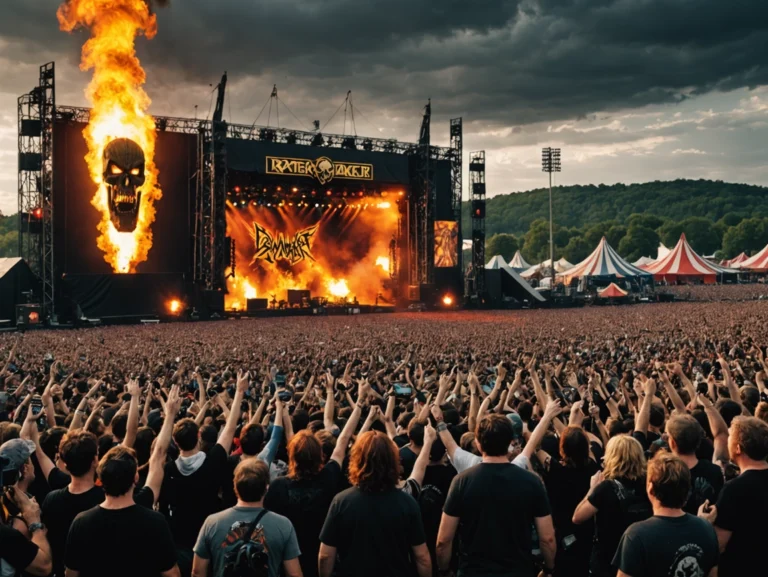
Larger festivals or music industry events draw bigger crowds. These are excellent for broader networking. You might not find a band directly. However, you’ll meet key players. These include promoters, venue owners, and other musicians. These connections can lead to referrals. They expand your overall professional network. We’ve seen many indirect band formations from these events. A contact you make today might connect you tomorrow. My advice is to always carry business cards. Be prepared to chat about your musical aspirations. These events often spark unexpected collaborations. They show you the bigger picture of your local scene.
Networking: The Old-School, Still-Effective Way
Networking is more than just collecting contacts. It’s about building genuine relationships. It’s about being a valuable part of the musical ecosystem. This often feels less direct than online searching. Yet, our data indicates its long-term power is unmatched. I’ve personally built my entire music career on strong relationships. Word-of-mouth remains incredibly powerful. People prefer to work with those they know and trust. Be authentic. Be helpful. Opportunities often arise when you least expect them.
Building Relationships with Fellow Musicians
Don’t just look for an immediate band opening. Befriend other musicians. Support their projects. Offer to help them out. They might know someone looking for a player. They might need a sub for a gig. These collaborations build your reputation. They expand your personal network exponentially. My own experience has shown this to be invaluable. Many of my best gigs came from referrals. Be a good hang. Be a reliable player. People remember positive experiences. They are more likely to recommend you. We always stress the importance of genuine camaraderie. It’s a small world. Treat everyone with respect.
Talking to Sound Engineers and Venue Owners
These individuals are at the heart of the local scene. Sound engineers hear every band. Venue owners book every act. They know who is good. They know who is looking. They are often the first to hear about band shake-ups. Introduce yourself to them. Be friendly and respectful. Ask if they know any bands seeking a member. My team regularly interviews these professionals. They offer invaluable insights into the local talent pool. I’ve gotten countless leads from sound engineers. They are often unsung heroes of the music community. Cultivate these relationships. They pay dividends.
Word-of-Mouth: Your Best Referral System
Tell everyone you know that you are looking for a band. Tell your friends, family, coworkers. Tell other musicians you meet. You never know who might know someone. Spread the word far and wide. This is a passive but incredibly powerful strategy. Our research shows that many successful bands form this way. A friend of a friend hears you play. They know a band needing a guitarist. This chain reaction is common. My personal journey has many stories of word-of-mouth success. Keep your ears open too. Listen for opportunities mentioned casually. Be ready to seize them.
The Power of Collaboration
Offer to collaborate on small projects. Play a session gig. Record a guest track. Jam with musicians you meet. These collaborations are low-commitment ways to test chemistry. They expose you to different musical styles. They show potential bandmates your reliability. My team actively encourages this. It’s a great way to “audition” without formal pressure. These temporary partnerships often lead to permanent roles. You build trust and understanding. It’s like a musical trial period. It allows everyone to feel each other out. This approach minimizes risk for all parties involved.
Honing Your Craft While You Search
Your search for a band isn’t just external. It’s also an internal journey of improvement. The better musician you are, the more opportunities will come your way. This is a foundational truth. We’ve observed this consistently across all genres. Don’t sit idle waiting for a call. Use this time to sharpen your skills. My personal practice regimen never stops. It makes you a more attractive prospect. It builds your confidence. It ensures you’re ready when the right opportunity strikes.
Practice Consistently and Purposefully
Regular practice is non-negotiable. It keeps your skills sharp. It improves your technique. Purposeful practice targets specific areas for improvement. Don’t just noodle aimlessly. Work on scales, arpeggios, and difficult passages. My advice is to have a structured practice routine. Dedicate time to sight-reading. Work on your improvisational skills. Consistent effort yields significant results. It makes you a more versatile player. You become an asset to any band. We emphasize purposeful practice. It’s about quality, not just quantity of time.
Develop a Diverse Repertoire
Learn songs from various genres. Be familiar with different styles. This makes you more adaptable. A diverse repertoire is a huge advantage. It shows you’re open-minded. It proves you can contribute to different projects. My team often sees bands looking for versatile players. Being able to play rock, jazz, funk, or pop is invaluable. Learn both covers and originals. Have a few go-to songs mastered. These are your audition pieces. They demonstrate your range. We recommend constantly expanding your musical vocabulary. Never stop learning new material.
Understand Music Theory Basics
Music theory provides a common language. It allows musicians to communicate effectively. Understanding chords, scales, and song structure is crucial. You can discuss arrangements clearly. You can improvise intelligently. My personal experience shows this. Bands value members who can contribute creatively. Basic theory empowers you to do this. You don’t need a music degree. But a solid grasp of fundamentals is essential. We encourage all aspiring band members to invest time here. It elevates your playing and your collaborations.
Invest in Your Gear
Reliable, good-sounding equipment is important. It shows professionalism. It ensures you sound your best. You don’t need the most expensive gear. But your instruments should be well-maintained. Amps should be functional. Pedals should work. My advice is to have a basic gigging setup ready. This includes spare strings, cables, and batteries. Being prepared avoids delays and frustration. It reflects positively on you. We’ve seen auditions go south due to faulty equipment. Invest wisely. Maintain meticulously.
Record Quality Demos
Your demos are your musical resume. They must be high-quality. They showcase your ability when you’re not physically present. My team always stresses this point. Invest in a decent microphone or interface. Record a few tracks demonstrating your skills. Mix them well. Even phone recordings can work if done carefully. Showcase your strongest playing. Include a mix of techniques. Make sure they represent your current abilities. Good demos open doors. They prove you’re serious. They let potential bandmates hear your sound before they meet you.
The Audition Process: Making the Cut
You’ve found a potential band. Now comes the audition. This is your chance to shine. It’s also a chance for the band to assess your fit. Approach it with professionalism and enthusiasm. We’ve compiled key strategies to help you succeed. My own auditions, both as a player and an observer, taught me valuable lessons. Preparation is absolutely everything. This stage is about proving your musicality and your personality.
Research the Band Thoroughly
Before any audition, do your homework. Listen to their music. Understand their genre, style, and influences. Check their social media. Watch their live videos. This shows genuine interest. It helps you tailor your approach. My research indicates bands appreciate this effort. It proves you’re serious. It allows you to ask intelligent questions. Knowing their material helps you blend in. It shows you’ve done your due diligence. This preparation sets you apart.
Prepare Specific Songs
Most bands will give you songs to learn. Master them perfectly. Know every riff, every chord change, every rhythm. Don’t just play the notes. Understand the feel and dynamics. If they don’t provide songs, prepare a few of your own. Choose pieces that showcase your versatility. My advice is to over-prepare. Practice with a metronome. Record yourself. Be ready for anything. We’ve seen many musicians fail here. Lack of preparation is a major red flag.
Bring Your A-Game (and Your Own Gear)
Arrive with your best playing. Be confident but not arrogant. Bring your own, well-maintained gear. This includes your instrument, amp, pedals, cables, and even a tuner. Don’t rely on their equipment unless explicitly told to. My personal experience shows this is crucial. It ensures you’re comfortable. It shows you’re self-sufficient. It minimizes potential technical issues. Be ready to plug in and play. Focus on sounding your best.
Listen Actively and Play with Dynamics
An audition is not just about showing off. It’s about playing as part of a unit. Listen to the other musicians. Pay attention to their dynamics. Blend your sound with theirs. Don’t play too loud or too soft. My team emphasizes this point. A good band member plays with the band. They don’t just play at the band. Show you can adapt. Show you understand musical conversation. Dynamics are key to making music interesting. Be a team player, even during an audition.
Be Punctual and Professional
Arrive on time, or even early. Being late is disrespectful. It immediately gives a bad impression. Dress appropriately. Be polite and courteous. Treat the audition like a job interview. My advice is to communicate clearly. If you anticipate delays, let them know. Professionalism extends beyond your playing. It encompasses your entire demeanor. We’ve observed bands prioritising attitude almost as much as skill. A good attitude goes a long way.
Ask Thoughtful Questions
An audition is a two-way street. You are also auditioning them. Ask about their goals, their commitment level, their practice schedule. Inquire about their songwriting process. Discuss their gigging history and future plans. My experience shows this demonstrates genuine interest. It helps you assess if the band is right for you. It shows you’re thinking long-term. We encourage you to be discerning. You want to find the right fit, not just any band.
Beyond the First Gig: Building Lasting Connections
Getting into a band is just the beginning. The real work starts afterward. Building a lasting musical partnership requires more than just talent. It demands strong interpersonal skills. It requires dedication and communication. We’ve seen many talented bands fizzle out due to poor communication. My journey has reinforced the importance of these soft skills. This stage is about cultivating a healthy, productive band environment. It’s about building a future together.
Communicate Openly and Honestly
Open communication is the bedrock of any successful band. Discuss expectations, concerns, and creative ideas openly. Don’t let issues fester. Address them directly but respectfully. My advice is to schedule regular band meetings. These are separate from practice. They are for discussing logistics and goals. Honest feedback is crucial for growth. We’ve seen bands thrive when communication is clear. It prevents misunderstandings and resentment. Foster an environment of trust.
Be Reliable and Committed
Show up for practices on time. Know your parts. Be prepared for gigs. Reliability is a cornerstone of professionalism. Your bandmates need to trust you. They need to know you’ll pull your weight. My personal experience shows this builds confidence. It shows respect for everyone’s time. Commitment means being dedicated to the band’s success. It means putting in the effort, even when it’s challenging. We emphasize consistency. It builds momentum and trust.
Contribute Positively to Group Dynamics
A band is more than just musicians playing together. It’s a social unit. A positive attitude is contagious. Be supportive of your bandmates. Offer constructive criticism. Avoid drama and negativity. My team recognizes the importance of chemistry. A great attitude can overcome minor skill deficiencies. A bad attitude can sink a great band. Be a source of encouragement. Be a problem-solver, not a problem creator. We’ve seen bands with average talent succeed purely on positive dynamics.
Understand Shared Goals and Expectations
Discuss what everyone wants from the band. Are you aiming for casual jams? Local gigs? Touring? Recording? Aligning your goals is critical. Misaligned expectations lead to frustration. My advice is to have this conversation early. Revisit it periodically. Life changes, and so do goals. Ensure everyone is on the same page. This creates a clear roadmap for the band. We’ve seen many bands break up because of unstated, differing goals. Clarity fosters unity.
Our Expert Take: Essential Tips for Success
Finding and joining a band is a deeply personal journey. It requires perseverance, skill, and a touch of luck. After years of observing, reporting, and participating in the music world, we’ve gathered some final, critical advice. These insights come from countless interviews and personal experiences. They represent the distilled wisdom of the music community. Follow these principles. They will serve you well.
Be Patient and Persistent
The perfect band rarely appears overnight. It takes time. It requires effort. Don’t get discouraged by rejections. Every “no” brings you closer to a “yes.” My personal search for the right band often took months. Persistence is key. Keep searching. Keep networking. Keep practicing. We’ve seen the most patient musicians often find the best long-term fits. The right connection is worth waiting for. Trust the process.
Don’t Settle for “Just Any” Band
Musical chemistry is paramount. Don’t jump into the first opportunity that arises. Ensure you genuinely connect with the music. Ensure you connect with the people. A bad band fit can be more detrimental than no band at all. My advice is to be discerning. Listen to your gut. You’ll be spending a lot of time with these individuals. We emphasize finding a genuine connection. It makes the entire experience more rewarding.
Be Open to Different Genres and Styles
Don’t limit yourself strictly to your comfort zone. Exploring new genres can broaden your skills. It can lead to unexpected and rewarding collaborations. My own musical journey diversified greatly this way. You might discover a new passion. You might meet incredible musicians you otherwise wouldn’t. We encourage musical curiosity. It makes you a more versatile and marketable player. Expand your horizons. Embrace new challenges.
Continuously Learn and Evolve
The music world is constantly changing. New techniques, technologies, and styles emerge. Never stop learning. Never stop growing. Attend workshops. Watch tutorials. Listen to new music. My team at Stereo Daily always champions lifelong learning. It keeps your playing fresh. It keeps you inspired. It ensures you remain a valuable asset to any musical project. Stagnation is the enemy of creativity. Embrace evolution.
Have Fun and Enjoy the Process
Remember why you started playing music. It’s about passion. It’s about expression. It’s about joy. Enjoy the search. Enjoy the collaborations. Enjoy the journey. My advice is to keep the fun alive. This positive energy is infectious. It makes you a more attractive bandmate. We believe that a love for music is the ultimate driver. It fuels creativity. It sustains commitment. Let your passion shine through. It is your greatest asset.