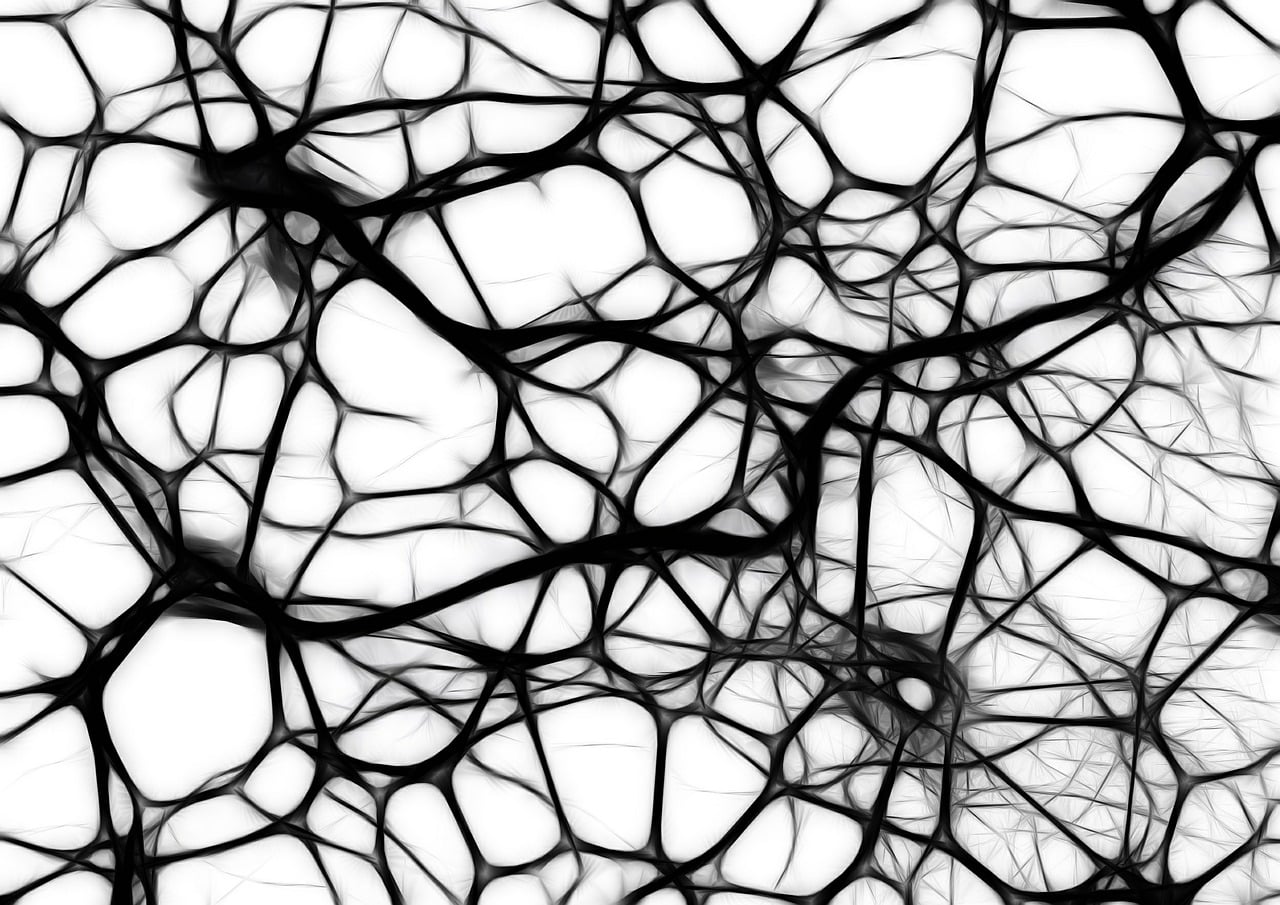

ADHD Brain and Default Mode Network
Understanding ADHD Challenges
ADHD presents focus and attention challenges, often linked to an overactive Default Mode Network (DMN), the brain’s internal thought system.
The Default Mode Network (DMN) Explained
The DMN, active during mind-wandering, is excessively active in ADHD, causing distractibility and difficulty with external focus.
How 4/4 Rhythms Calm the Brain
Predictability and Neural Sync
Repetitive 4/4 beat structures offer a consistent auditory anchor. This predictability aids neural entrainment, where brainwaves synchronize with the rhythm. For ADHD, this external pacing provides a stable framework, reducing internal chaos.
Less Cognitive Load, More Focus
The simple 4/4 rhythm demands minimal cognitive processing, letting the brain settle and reducing cognitive load. It helps quiet the DMN by minimizing mind-wandering and distractions, fostering focus or calm. The stable rhythm makes the DMN less dominant.
The repetitive 4/4 beat structure quiets the ADHD Default Mode Network by offering a predictable, low-cognitive-load auditory anchor that promotes neural entrainment and reduces internal distractions, making the DMN less dominant.