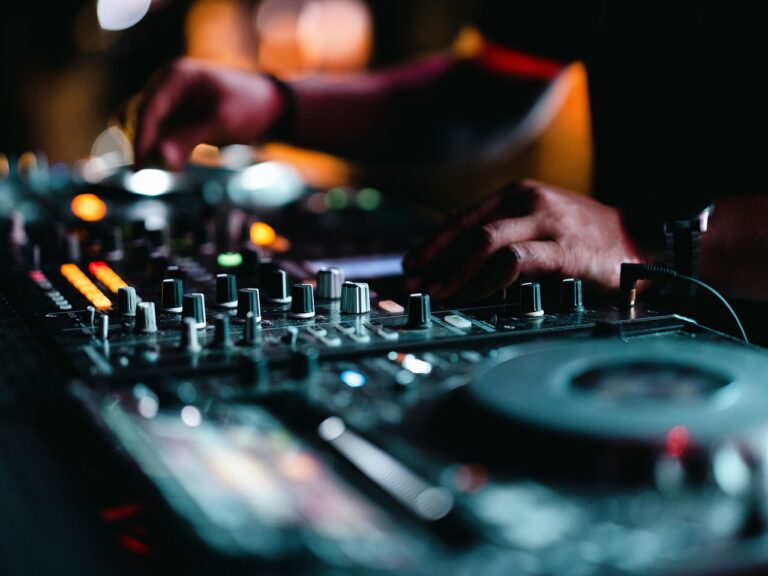

Delving into the 160 BPM sonic landscape, Footwork and Jungle stand as electronic subgenres famed for their syncopated poly-rhythms, yet born from diverse cultural roots.
Jungle: UK Rave & Breakbeat Legacy
Evolving from early 1990s UK rave, Jungle is defined by aggressive, syncopated sampled breakbeats (e.g., Amen), deep sub-bass, and reggae influences. Often 150-180 BPM (160 common), pioneers like Goldie forged its sound.
Footwork: Chicago’s 808 Dance Tradition
Originating late 1990s/early 2000s in Chicago from Juke, Footwork utilizes hyper-fast, sparse, programmed 808 drum machine patterns. Its complex syncopation, typically 155-160 BPM, is tailored for footworker dance battles, championed by artists like DJ Rashad.
Rhythmic Approaches & Core Differences
Both are rhythmically intricate. Jungle layers manipulated organic breakbeats for dense, driving textures. Footwork employs precise, minimalistic 808 hits, crafting interlocking, off-kilter patterns emphasizing space for dancer interaction. Key distinction: Jungle (UK rave) uses sampled breaks; Footwork (Chicago street dance) relies on precise 808 programming.
Jungle uses manipulated sampled breakbeats from UK rave culture, while Footwork relies on precise 808 programming for Chicago street dance.