
Understanding Twitch Music Policies for DJs
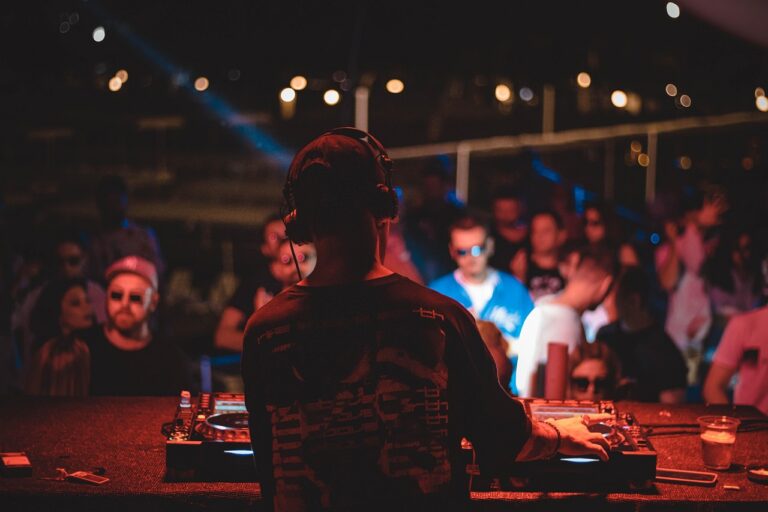
As a DJ streaming on Twitch, navigating music rights and monetization is crucial. Twitch provides a platform for live performance, but music licensing remains the streamer’s responsibility, not Twitch’s direct oversight through a specific “DJ program.”
DMCA Claims and Copyright Enforcement
Twitch employs a robust system for Digital Millennium Copyright Act (DMCA) claims. When rights holders identify unauthorized music use, they can issue takedown notices. DJs risk receiving a copyright strike for infringing content. Accumulating strikes can lead to temporary bans or permanent channel termination. Twitch’s policy emphasizes using licensed music or music cleared for streaming.
Revenue Sharing and Creator Monetization
DJs on Twitch earn revenue through standard creator monetization channels: subscriptions, Bits, and advertising. This revenue is for the streamer’s content creation and community engagement, not for a direct share with music rights holders from Twitch’s end. There isn’t a dedicated “Twitch DJ Program” that automatically manages royalty payments to artists or labels based on a DJ’s stream. DJs must secure their own music licenses (e.g., through PROs like PRS, BMI, ASCAP, or specific label agreements) to avoid copyright infringement and ensure fair compensation for artists.
Ultimately, Twitch’s approach involves empowering creators with monetization tools while placing the onus of music licensing squarely on the individual DJ. DMCA claims are handled through a strike system, and revenue sharing for music is not directly managed by Twitch for DJs; it’s the streamer’s obligation to obtain proper licenses for their streamed music.