
Understanding Classical Music Copyright for Sampling
Public Domain Status of Compositions
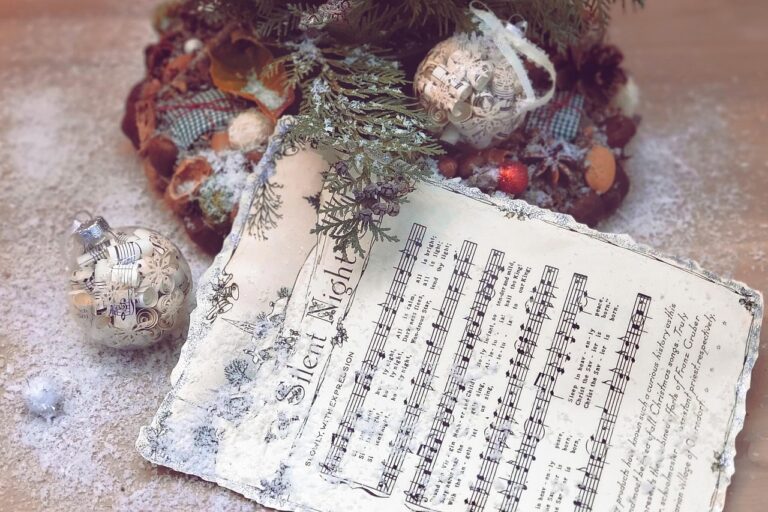
Many classical music compositions are indeed in the public domain. This means the original musical work’s intellectual property rights have expired, typically 70 years after the composer’s death in many jurisdictions. For aspiring melodic techno producers, this can be a goldmine of harmonic and melodic ideas. You are generally free to use, adapt, and build upon these core musical ideas without needing permission for the composition itself.
The Nuance of Sound Recordings and Performances
While the composition might be free, the specific sound recording of that classical piece is almost always copyrighted. This is a crucial distinction. A modern orchestral performance of a Beethoven symphony, even if the symphony itself is public domain, creates a new copyrighted work – the master recording. Sampling this recording requires permission from the record label and/or performers. Similarly, arrangements can also have their own copyrights. Always verify the source of your sample.
Clearing Classical Samples for Melodic Techno
Due Diligence and Licensing
For any classical sample you intend to use in your melodic techno tracks, especially if it’s from a specific recording, thorough due diligence is essential. Contacting the rights holders of the master recording is the standard procedure for sample clearance. Ignoring this step can lead to legal issues, including copyright infringement claims. Alternatively, consider recreating or replaying elements from public domain scores to avoid master recording complexities.
No. While the original compositions of many classical works are in the public domain and free to use, the specific sound recordings of these works are almost always copyrighted and require clearance from the rights holders before sampling for melodic techno tracks.