
How to Fix Muddy Bass in a Mix Using EQ
Fixing muddy bass in your mix primarily involves using equalization (EQ). The direct answer is to surgically cut problematic frequencies, typically in the low-mids (around 200-500 Hz), that cause boominess and blur. This process creates space for your bass instrument to sit clearly alongside other elements like the kick drum. We’ve found that precise EQ adjustments are the most effective way to achieve a clean, powerful low-end.
Understanding What Makes Bass Muddy
A muddy bass sound is a common mixing challenge. It often leaves your track feeling undefined and heavy. Our team has encountered this issue in countless projects. Understanding its root causes is the first step to a solution.
The Problem Frequencies
The “mud zone” is a specific frequency range. It usually sits between 200 Hz and 500 Hz. This area is where many instruments contribute energy. Bass guitars, kick drums, synths, and even lower guitar strings all overlap here. When too many sounds compete in this narrow band, you get mud. This frequency build-up obscures the clarity of your bass line. It makes the entire mix sound cluttered and undefined. We consistently identify these frequencies as the primary culprits.
Room Acoustics and Monitoring
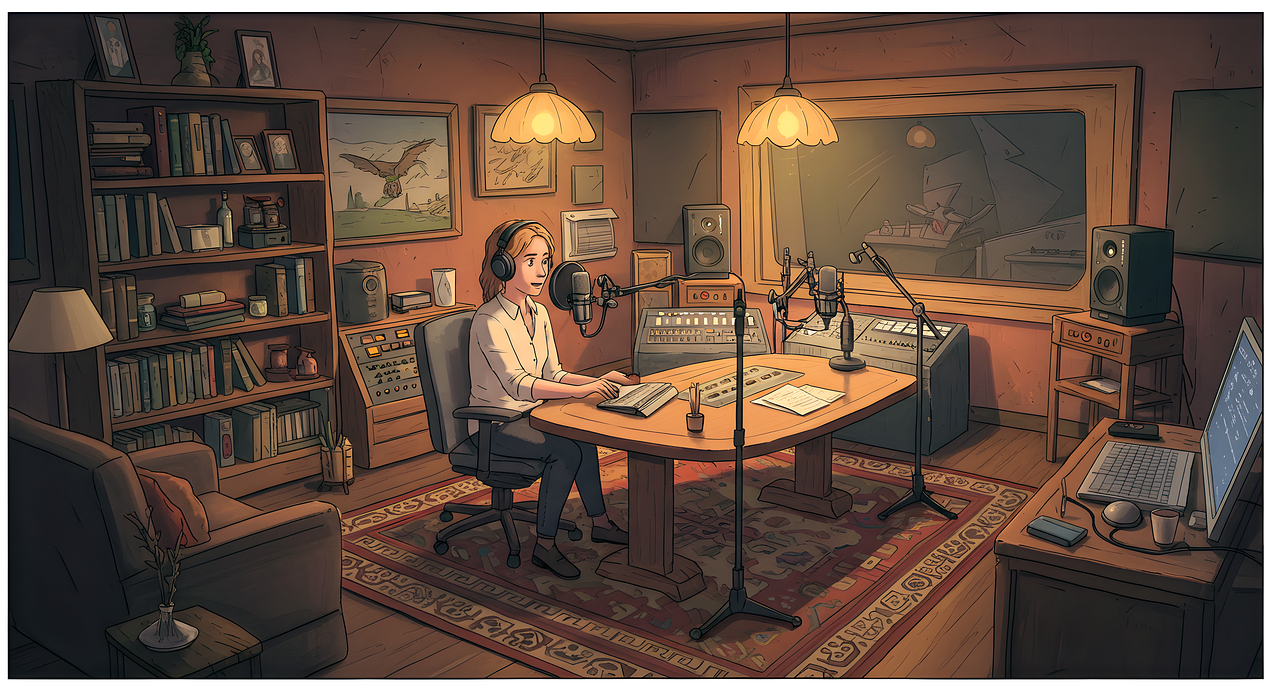
Your listening environment plays a huge role. Untreated rooms can have standing waves. These waves exaggerate certain bass frequencies. They can trick your ears into thinking your bass is muddier or cleaner than it actually is. This makes accurate mixing difficult. We always advise checking your mix on multiple systems. Listen on headphones, studio monitors, and even car speakers. This helps reveal the true nature of your low-end. My personal studio has undergone extensive acoustic treatment. This ensures I hear the bass accurately.
Our Step-by-Step EQ Guide to Clear Bass
We’ve developed a reliable EQ workflow. This process consistently delivers a clear, punchy bass. Follow these steps for immediate improvements.
Step 1: Identify the Culprit Frequencies
Load an EQ plugin onto your bass track. Choose a narrow Q setting. Boost the gain significantly, perhaps by 6-10 dB. Now, sweep this boosted band across the frequency spectrum. Listen carefully. You’re searching for resonant, boomy, or boxy sounds. These are the frequencies causing your mud. I personally do this on every mix. It helps me pinpoint problem areas quickly.
Step 2: Surgical Cuts in the Low-Mids
Once you identify the problematic frequencies, it’s time to cut. Focus on the 200-500 Hz range. Use a moderate Q setting. This means your cut will be neither too wide nor too narrow. Start with a small cut, maybe -3 dB. Listen to the difference. You can go deeper if needed, perhaps -6 dB. Be careful not to cut too much. Excessive cuts can make your bass sound thin. In our studio sessions, this is often the sweet spot for clarity. We find that small, precise cuts yield the best results.
Step 3: Carve Space for the Kick Drum
The kick drum and bass often fight for space. This fight happens in the lower frequencies. Identify the fundamental frequency of your kick drum. This is typically between 60-100 Hz. Apply a gentle, wide cut on your bass guitar around this frequency. This creates a pocket. It allows the kick drum to punch through cleanly. We often find a slight dip here makes all the difference. Alternatively, consider subtle sidechain compression from the kick to the bass. This helps the two elements dance together.
Step 4: High-Pass Filtering (HPF) with Purpose
Many instruments generate sub-bass frequencies. These frequencies are often inaudible. They still consume headroom. They also contribute to muddiness. Apply a high-pass filter (HPF) to your bass track. Set the cutoff point around 30-40 Hz. You might even go higher, up to 60-80 Hz, for certain bass lines. This removes unnecessary rumble. It tightens the low-end. I always start with an HPF on almost every track. It’s a foundational step for a clean mix. Always listen to the effect of your HPF. You don’t want to remove vital low-end energy.
Step 5: Gentle High-End Boost for Definition
After cleaning up the low-mids, add some clarity. A gentle boost in the higher frequencies can help. Target the 1-5 kHz range. This boost brings out string noise, pick attack, or finger details. It adds definition to the bass line. Use a wide shelf or a broad bell curve for this. A small boost, around 1-3 dB, is usually enough. Our team loves adding a subtle boost here for presence. It helps the bass cut through without adding harshness.
Beyond EQ: Other Considerations for a Tidy Low-End
EQ is powerful. However, it’s not the only tool. Other elements contribute to a clean low-end. Integrating these practices offers further improvements.
Compression
Compression helps control the dynamics of your bass. It smooths out peaks and valleys. This makes the bass line more consistent. Consistent bass is easier to mix. It sits better in the overall track. My personal approach often involves gentle compression after EQ. This ensures a solid, even foundation.
Arrangement
The best mixes start with a great arrangement. Avoid having too many instruments occupy the same low frequencies. For example, a busy bass line and a heavy synth pad can clash. Simplify your arrangement if your low-end feels crowded. We’ve learned that a great arrangement simplifies mixing immensely. It reduces the need for extreme EQ.
Gain Staging
Proper gain staging is crucial. Ensure your levels are healthy throughout your signal chain. Avoid clipping. Also, avoid extremely low input levels. Clipping introduces unwanted harmonic distortion. This can add to perceived muddiness. Our engineers meticulously manage gain from the start. This builds a clean foundation for every mix.
Reference Tracks
Always compare your mix to professional tracks. Listen to how commercial releases handle their bass. How clear is it? How much low-end is present? This provides a benchmark. It helps calibrate your ears. I cannot stress enough the importance of good references. They guide your decisions and improve your judgment.
Fixing muddy bass takes practice. It requires careful listening. By applying these EQ techniques, you will achieve a clearer, punchier low-end. Experiment with different settings. Trust your ears. Our experience shows that patience pays off. Your mixes will sound much more professional and impactful.