
How to Transition from Bedroom Producer to Live DJ
The journey from a solitary bedroom producer to a commanding live DJ is a deeply rewarding transformation. It involves a fundamental shift in skills, mindset, and audience interaction, moving you from the creator of soundscapes to the curator of experiences. We at Stereo Daily believe this transition isn’t just about learning new technical tricks; it’s about embracing performance, understanding crowd dynamics, and building a public identity. It’s a marathon, not a sprint, demanding dedication to new crafts while leveraging your existing production knowledge. Our research shows that successful transitions happen when producers commit to learning DJ fundamentals, building a public presence, and actively networking within the music scene.
The Foundation: Shifting Your Mindset
Making music in your studio is one experience. Playing it for a crowd is another entirely. This is often the biggest hurdle. We’ve seen many talented producers struggle with this initial mental shift.
From Isolation to Interaction
As a producer, your work is often solitary. You’re in your zone, tweaking sounds, perfecting arrangements. The feedback loop is usually internal or from a small trusted circle. Live DJing, however, is inherently interactive. You are the conduit between the music and the audience. Your energy directly influences the room’s vibe. My own experience tells me you must learn to read the room. You must connect with strangers through sound. This requires a willingness to step outside your comfort zone. It demands a different kind of focus.
Embracing Performance Anxiety
Every performer feels some anxiety. It’s completely normal. We’ve spoken to countless DJs who still get butterflies. The key is to manage it, not eliminate it. Channel that nervous energy into excitement. Prepare thoroughly. Practice your transitions until they are second nature. Understand that mistakes happen. The audience often won’t notice minor errors. Focus on the overall flow and energy. Our observations suggest that confidence grows with every successful gig.
Understanding Your “Why”: What Kind of DJ Do You Want to Be?
Before you even touch a controller, ask yourself: Why do I want to DJ? Are you playing your own tracks? Are you introducing new music? Do you want to host specific events? Your “why” will shape your path. We encourage you to define your niche early. This clarity helps in track selection. It guides your branding efforts. It dictates the types of venues you’ll target. For example, a producer of atmospheric techno will have a different “why” and path than a hip-hop beatmaker.
Mastering the DJ Craft: Beyond Production
Your production skills are a huge asset. You understand music theory, arrangement, and sound design. But DJing requires a distinct set of technical abilities. We tried to condense the most vital ones here.
Fundamental DJ Skills You Need
Forget what you know about DAWs for a moment. DJing has its own language.
Beatmatching (Manual vs. Sync): This is the bedrock. It’s aligning the tempos and beats of two tracks. While “sync” buttons exist, learning manual beatmatching is crucial. It develops your ear. It makes you a more versatile DJ. We encourage starting with manual beatmatching.
Phrasing: Understanding musical phrases is vital. It’s about mixing tracks so their musical structures align. This creates smooth, harmonious transitions. It prevents awkward cuts.
Track Selection & Curation (Library Building): This is where your producer’s ear shines. You need to build a diverse, well-organized music library. It’s not just about having good tracks. It’s about knowing *when* to play them. Our research shows a well-curated library is a DJ’s most powerful tool.
EQing & Mixing Techniques: Learn to manipulate frequencies. Use the EQs on the mixer to blend tracks seamlessly. This involves cutting lows on one track while bringing in the lows of another. It’s an art form in itself.
Basic Scratching/Effects: These are advanced techniques. They add flair and personality. Start with basic cuts and simple echo/delay effects. Don’t overdo them initially.
Essential Gear for the Aspiring Live DJ
You don’t need a full club setup to start. We recommend a phased approach.
Controllers (Entry-level to Pro): A DJ controller connects to your laptop. It mimics a traditional DJ setup. Pioneer DJ’s DDJ series or Native Instruments Traktor Kontrol are excellent starting points. They offer tactile control. They are relatively affordable.
CDJs/Turntables (If aiming for club standard): As you progress, you might encounter CDJs (Pioneer DJ’s industry standard) or turntables. These are professional-grade gear. They require different muscle memory. Practice on them if you get the chance.
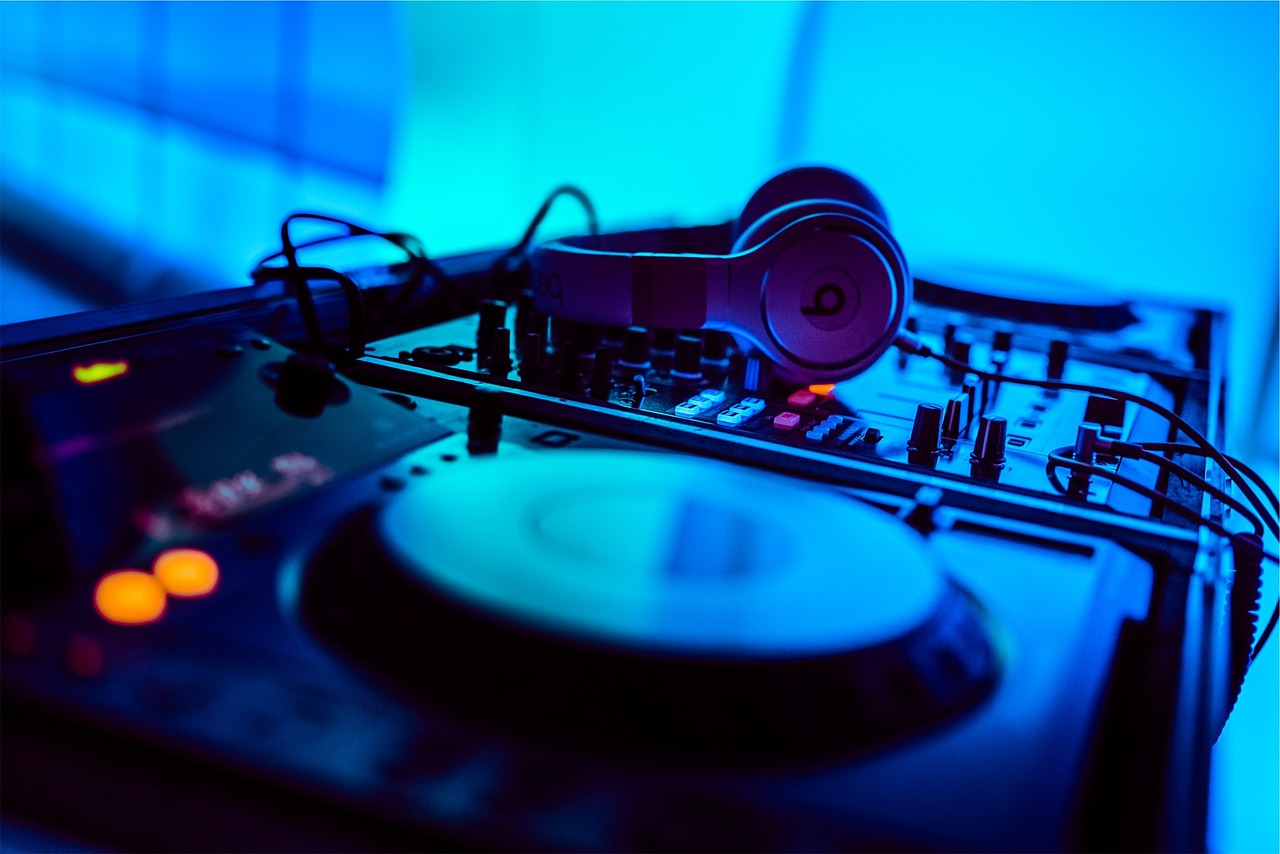
Mixers: Every DJ setup has a mixer. It combines audio from multiple sources. Learn its layout: EQs, faders, gain knobs.
Headphones: Critical for cueing up tracks. Invest in comfortable, isolating headphones. Our team swears by durable models like Sennheiser HD25 or Pioneer HDJ-X7.
Software (Rekordbox, Serato, Traktor): Most controllers work with specific software. Rekordbox is dominant for club DJs. Serato is popular with open-format and hip-hop DJs. Traktor has its dedicated following. Choose one and master it.
Monitoring (Speakers): You need studio monitors for accurate sound reproduction during practice. This ensures your mixes sound good everywhere.
Practicing Like a Pro
Practice is not just playing around. It’s deliberate.
Dedicated Practice Space & Time: Set aside regular time. Treat it like a scheduled gig. Eliminate distractions.
Recording Your Mixes: This is vital for self-critique. Listen back objectively. Identify areas for improvement. Where were your transitions clumsy? Was the energy consistent? We find this to be the fastest way to improve.
Seeking Feedback: Play your recorded mixes for trusted friends or fellow producers. Ask for honest, constructive criticism. Don’t be defensive.
Transitioning from “Playing Tracks” to “Telling a Story”: A DJ set is more than a playlist. It’s a journey. Think about the arc, the highs, the lows. How do you build tension? How do you release it? My own performances always aim for narrative.
Building Your Brand and Presence
You’re no longer just a producer. You’re now a DJ with a public face. This requires strategic branding. We’ve seen firsthand how a strong brand opens doors.
Defining Your Sound and Niche
What kind of music truly excites you to play? What vibe do you want to create? Your producer background gives you an advantage here. You already have a distinct sonic identity. Translate that into your DJ sets. Are you deep house, techno, eclectic funk, or something else entirely? A clear niche helps promoters understand where you fit. Our publication often highlights DJs who have a unique, identifiable sound.
Crafting Your DJ Identity: Name, Logo, Visual Aesthetics
Your DJ name should be memorable and searchable. Your logo should be simple and effective. Think about your visual style. How will you present yourself online and in person? Consistency across all platforms is key. This helps people recognize you immediately. We stress the importance of professional-looking assets.
The Power of the Demo Mix
This is your calling card. A demo mix showcases your skills and your sound.
What Makes a Good Demo?: Keep it concise (20-30 minutes). Start strong, end strong. Show off your best transitions and track selection. Ensure pristine audio quality. We always look for mixes that tell a compelling story.
Tailoring Mixes for Specific Venues/Promoters: Research the venue. What kind of music do they typically play? Does the promoter have a specific vibe? Create a custom demo that fits their programming. This shows you’ve done your homework.
Online Presence: Website, Social Media, Soundcloud/Mixcloud
Your online footprint is crucial for visibility.
Consistency: Use the same name, logo, and aesthetic across all platforms.
Engagement: Don’t just post. Interact with your followers. Respond to comments. Ask questions.
Showcasing Your Productions *and* Mixes: Your producer identity is an asset. Use your platforms to share both your original tracks and your DJ sets. This gives a holistic view of your artistry. A simple, clean website acting as a hub for everything is highly recommended by our experts.
Networking and Getting Your First Gigs
The music industry runs on connections. Getting gigs is rarely about just sending out emails. It’s about building relationships. My personal journey included many nights spent just listening and observing.
Immerse Yourself in the Scene
Go to local clubs, parties, and open mics. Observe other DJs. Talk to people. Meet promoters, other artists, and passionate fans. Be genuine. Don’t just show up to hand out business cards. Show up to enjoy the music and connect. We believe true engagement is far more effective.
Connecting with Promoters and Venue Owners
Once you’ve established some presence, you can start reaching out.
Approaching Professionally: Keep emails concise. Introduce yourself. Explain why you’d be a good fit. Attach your best demo mix and EPK (electronic press kit).
Following Up: If you don’t hear back, send a polite follow-up email after a week or two. Don’t be pushy.
Understanding Their Needs: Promoters have specific nights, themes, and budgets. Understand their programming. Offer solutions that fit their needs.
Open Decks, Bar Gigs, and Friend’s Parties
Start small. These opportunities are invaluable.
Open Decks: Many venues host open deck nights. They’re perfect for gaining experience and meeting people.
Bar Gigs: Smaller bars often look for DJs to create ambiance. The pay might be minimal or non-existent, but the practice is priceless.
Friend’s Parties: Offer to DJ for free at private events. It’s a low-pressure environment to hone your skills. Our team started many years ago playing small house parties.
Collaborating with Other Artists
Team up with other producers or DJs. Play back-to-back sets. Create joint mixes. This expands your network. It introduces you to new audiences. We often see collaborative efforts lead to bigger opportunities.
The Importance of a Professional Press Kit (EPK)
An EPK is your professional resume.
What to Include: Your bio, professional photos, links to your best mixes and original productions, a list of past gigs (even small ones), and testimonials if you have them. Keep it updated. Promoters rely on these. Our recommendation is a clean, easy-to-navigate PDF or web page.
The Live Performance: From Studio to Stage
This is where all your preparation culminates. The transition from bedroom to live is complete. We understand the thrill and the terror.
Preparing for Your Set
Preparation is your best defense against mishaps.
Track Preparation (Cue Points, Beat Grids): Prepare all your tracks in your DJ software. Set cue points. Ensure beat grids are accurate. This saves precious time during a live set.
USB Management: Export your playlists to multiple USB drives. Always have a backup. We’ve seen gigs ruined by a single corrupt USB.
Understanding the Venue’s Sound System: Arrive early. Familiarize yourself with the equipment. Test the sound. Ask questions if you’re unsure.
Reading the Crowd and Adapting
This is the art of DJing.
Flexibility is Key: Your meticulously planned set might not work. The crowd might not respond. Be ready to pivot. Have different genres and moods ready.
Observe and React: Watch the dance floor. Are people moving? Are they smiling? Adjust your energy accordingly. We know from experience this is a skill developed over time.
Stage Presence and Interaction
You’re a performer now.
Engage Your Audience: Make eye contact. Smile. Dance a little. Show that you’re enjoying yourself. Your enthusiasm is infectious.
Be Yourself: Don’t try to be someone you’re not. Authenticity resonates with people.
Handling Technical Difficulties
Something will eventually go wrong. It’s inevitable.
Staying Calm Under Pressure: Don’t panic. Take a deep breath. Troubleshoot systematically.
Have a Backup Plan: A second USB, a spare cable, a phone with a backup mix. Be prepared for the unexpected. Our experience has shown that calm problem-solving distinguishes professional DJs.
Sustaining Your DJ Career
Getting the first gig is a milestone. Building a lasting career is a continuous journey. We often advise artists that consistency is king.
Continuous Learning and Evolution
The music world is always changing. New genres emerge. Technology evolves.
Never Stop Refining Your Skills: Learn new mixing techniques. Experiment with different styles. Attend workshops.
Stay Current with Music: Continuously dig for new tracks. Explore emerging artists. Keep your library fresh. We encourage DJs to be perpetual students of sound.
Building Relationships and Reputation
Your reputation is everything.
Be Reliable: Show up on time. Be professional. Honor your commitments.
Be Professional: Communicate clearly. Be respectful to venue staff and promoters.
Network Consistently: Maintain the connections you’ve made. Friendships can lead to unexpected opportunities. Our community thrives on mutual respect and support.
Balancing Production and DJing
These two crafts are complementary.
How They Complement Each Other: Your DJing informs your production, and vice versa. DJing helps you understand what works on a dance floor. Production gives you unique tracks to play. Use your live sets as a testing ground for your new material.
Time Management: Dedicate time to both. Don’t let one overshadow the other completely. We believe this synergy is what makes producer-DJs so unique.
Financial Realities and Business Acumen
DJing can be a career, but it requires business sense.
Getting Paid: Discuss rates and payment terms upfront. Get agreements in writing.
Contracts: Understand any contracts you sign. Don’t be afraid to ask questions.
Taxes and Expenses: Keep detailed records of your income and expenses. Consult a professional if needed. This is the less glamorous but essential part of the journey, as we’ve learned through many years in the industry.
The path from bedroom producer to live DJ is challenging but immensely rewarding. It calls for technical mastery, a fearless embrace of performance, and strategic networking. Leverage your deep understanding of music. Cultivate your unique voice. Most importantly, stay passionate. Our journey at Stereo Daily has shown us that persistence, coupled with a genuine love for music, will ultimately lead you to the stage. Get out there, hone your craft, and share your sound with the world.