
Crafting a professional Electronic Press Kit (EPK) is absolutely essential for any indie musician aiming for serious career growth. Think of your EPK as your musical resume, a comprehensive digital dossier showcasing everything important about your artistry. It’s the go-to resource for anyone considering working with you: booking agents, promoters, music journalists, labels, and even potential collaborators. A well-constructed EPK doesn’t just present information; it tells your story, highlights your achievements, and makes a strong, professional impression. We consistently see that a polished EPK can open doors that remain shut for artists with incomplete or amateur presentations. My experience as a music journalist confirms this truth time and again. A robust EPK ensures you’re taken seriously and stand out in a crowded industry.
A professional EPK is your band’s calling card. It consolidates all vital assets in one easily digestible package. This saves industry professionals valuable time. It also ensures they receive your story exactly as you intend. We understand the challenges indie artists face. Therefore, we’ve developed a comprehensive guide to building an EPK that truly works for you. This guide helps you present your best self to the world. A strong EPK makes the difference between being overlooked and being discovered.
The Essential Components of a Killer EPK
Every effective EPK shares a core set of elements. These components are non-negotiable for professionalism. From our perspective in the music industry, these are what we prioritize when evaluating artists. Missing any of these key pieces often raises red flags. Let’s break down each crucial section. We’ll explore why each component matters and how to optimize it for maximum impact. Remember, clarity and quality are your best friends here. We aim for an EPK that speaks volumes about your dedication and talent.
Your Bio: The Story Behind the Music
Your artist bio is more than just a summary. It is your narrative. It’s your opportunity to tell your unique story. We always look for personality and context in an artist’s bio. This helps us understand the person behind the music. You generally need three versions: a short (50-75 words), a medium (150-200 words), and a long (300-400 words) version. Each serves a different purpose for various media outlets. My team and I regularly use these different lengths. The short one is for quick mentions. The medium one is for intros. The long one provides deeper insight.
The bio should be written in the third person. This maintains a professional distance. It also makes it easy for journalists to copy and paste. Start with your origin story. Describe your sound and influences concisely. Mention key achievements or defining moments. Keep it engaging and error-free. Avoid overly complex sentences. Focus on strong, declarative statements. We’ve read countless bios. The best ones are memorable and authentic. They make us want to learn more. A powerful opening sentence grabs attention immediately. Then, it pulls the reader through your journey. End with a forward-looking statement. Discuss your current projects or future aspirations. This adds a sense of momentum to your career.
Professional Photos: Your Visual Identity
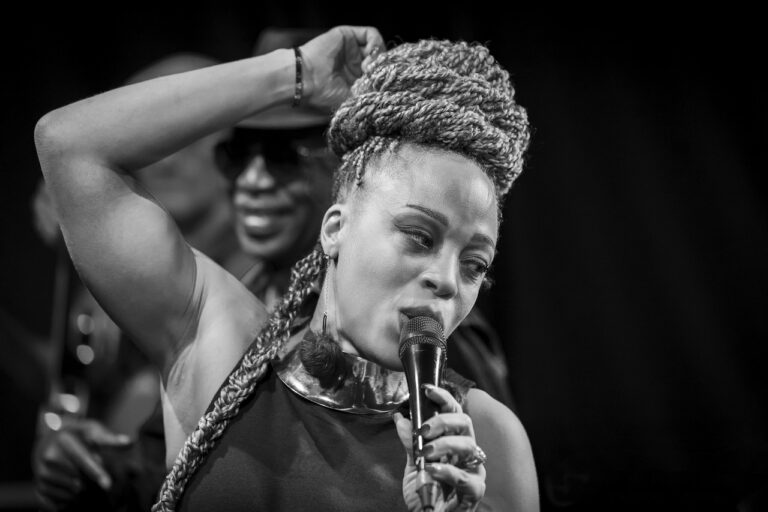
High-quality professional photos are absolutely critical. Your visuals are often the first impression. They communicate your brand and aesthetic instantly. From our perspective as journalists, blurry or unprofessional photos are a major deterrent. We need images that are high-resolution and visually striking. They should reflect your music’s style and your artistic personality. Invest in a good photographer. This is not an area for compromise. We consistently advise artists on this point. Good photos elevate your entire EPK. They make your story more compelling.
Include a variety of shots. You will need headshots, live performance shots, and promotional lifestyle photos. Ensure there are both portrait and landscape orientations. Provide images in different sizes and resolutions. High-res (300 dpi) files are for print. Web-res (72 dpi) files are for online use. Clearly label your photo files. This saves time for anyone downloading them. We appreciate a well-organized media folder. Make sure your photos are recent. They should accurately represent your current look and stage presence. Consistency in branding across your photos is also important. This reinforces your visual identity. Strong imagery can instantly convey your artistic message. It captures the imagination of viewers. We often select artists for features based on their visual appeal alone. They complement the sound perfectly.
Your Music: The Main Event
Of course, your music is the core of your EPK. Curate your very best tracks. Focus on 2-4 songs that truly represent your sound. These should be your strongest, most polished recordings. We always look for immediate impact. Provide direct streaming links to platforms like Spotify, Apple Music, or Bandcamp. Make it easy for us to listen without hurdles. Don’t force downloads unless absolutely necessary. However, also include downloadable high-quality audio files. WAV or MP3 (320kbps) are preferred. These are crucial for radio play or media use. Ensure these files are properly tagged with metadata. This includes artist name, song title, album, and genre. My team uses this information constantly for our databases. A well-organized music section speaks volumes about your professionalism. It shows you respect the listener’s time. It demonstrates attention to detail. This makes our job of reviewing your music much easier. We often make quick judgments. Your selected tracks must immediately grab our attention. We recommend including a short description for each track. Explain its significance or story. This adds depth to the listening experience.
Press Quotes & Testimonials: Social Proof That Sings
Third-party validation is incredibly powerful. Include glowing press quotes and testimonials in your EPK. These act as social proof. They show that others believe in your talent. Editors appreciate seeing this validation. It indicates you’ve already garnered some attention. Gather quotes from music blogs, magazines, radio stations, and industry professionals. Even local newspaper features can be valuable. Clearly cite the source for each quote. Include a direct link to the original article if available. We always try to verify these mentions. So, provide accurate links. Don’t be afraid to reach out for reviews. A positive quote from a reputable source can significantly boost your credibility. This helps you stand out. Organize your quotes logically. Showcase the most impressive ones first. We recommend extracting short, punchy phrases. These are easy to scan and remember. Keep this section updated. Fresh testimonials demonstrate ongoing momentum. A strong collection of quotes builds trust. It tells us you’re worth the investment of our time and attention.
Video Content: Show, Don’t Just Tell
In today’s visual world, video content is indispensable. A compelling video truly grabs our attention. It offers a dynamic insight into your artistry. Include links to your best music videos, live performance footage, or even behind-the-scenes content. YouTube or Vimeo links are ideal. They are easily accessible. Ensure the video quality is high. Both audio and visual aspects must be polished. Poor quality video can actually detract from your image. We prioritize clear sound and engaging visuals. A live performance video showcases your stage presence. An interview clip lets your personality shine through. Choose videos that represent your brand effectively. Don’t overload this section. Select 2-3 of your strongest, most relevant videos. Each video should serve a purpose. It should enhance the viewer’s understanding of your art. My team often watches these videos first. They provide an immediate sense of your energy. They help us envision your impact. Strong video content can truly differentiate your EPK. It gives a multi-dimensional view of your talent. Make sure all links are active and readily available.
Key Achievements & Performance History: Your Track Record
Demonstrate your progress and impact with a concise list of key achievements. This section highlights your professional milestones. Include notable gigs, festival appearances, and tours. Mention any awards, grants, or sync placements. Detail any significant radio play or major blog features. Be specific with dates and locations. We often cross-reference these details. Quantifiable achievements are especially impactful. For instance, “Performed at SXSW 2023” or “Single received 10,000 Spotify streams in first week.” This shows tangible success. It proves you’re actively building your career. This section tells us you’re more than just an aspiring artist. You are a working musician with a proven track record. Keep this list updated regularly. Highlight your most recent and impressive accomplishments. This communicates momentum. It underscores your commitment to your craft. A strong track record builds confidence in your potential. It makes you a more attractive prospect for industry professionals. We want to work with artists who are actively succeeding. This section is concrete evidence of your dedication and reach.
Contact Information: Make It Easy to Reach You
Nothing is more frustrating than a great EPK with no clear contact information. Make it incredibly easy for people to reach you. Include a dedicated press contact email address. Add a separate booking contact if you have one. If you have a manager or publicist, list their contact details too. Provide their name, title, and email address. A phone number is optional but can be helpful for urgent inquiries. Ensure all contact information is accurate and up-to-date. Professionalism is key in this section. Use a dedicated email address rather than a personal one. This looks more serious. Clearly label each contact person’s role. This streamlines communication. We regularly reach out to artists through their EPK. We expect prompt and professional responses. Missing or incorrect contact details can cost you opportunities. It shows a lack of attention to detail. This can leave a negative impression. Double-check every single piece of contact info. Make sure it directs inquiries to the right person. This small detail can make a huge difference in engagement.
Social Media Links: Your Digital Footprint
Your social media presence reflects your audience engagement. Include direct links to your active social media profiles. Focus on platforms where you are most active and have a strong following. For most musicians, this includes Instagram, Facebook, Twitter (X), and TikTok. Also, include Bandcamp or SoundCloud if they are primary music hubs for you. We check these profiles for engagement. A healthy, active following indicates audience connection. It also shows your ability to connect with fans. Ensure your social media profiles are consistent with your EPK branding. Your visual identity should carry through. Outdated or inactive profiles can actually do more harm than good. Only link to platforms you consistently manage. My team evaluates social media as part of an artist’s overall reach. It’s a vital indicator of potential. Show us you can build and maintain a community. This is crucial in today’s digital music landscape. These links serve as a window into your direct fan relationships. They offer valuable insights into your brand’s personality.
Website Link: Your Digital Hub
A professional website acts as your central online hub. It’s where all your digital presence converges. Including a clear link to your artist website is essential. A solid website makes a huge difference in professionalism. It demonstrates your commitment to your craft. Your website should be easy to navigate. It must consistently reflect your brand’s aesthetic. All the elements of your EPK can live there permanently. This includes your bio, music, photos, and videos. Ensure your website is mobile-friendly. Most industry professionals will view it on various devices. Keep the content fresh and updated. A stagnant website suggests a lack of activity. We often use the artist’s website as a primary reference. It provides the most complete picture of your work. It’s a testament to your online presence and seriousness. A well-maintained website reinforces trust. It also provides an additional point of contact. It further solidifies your professional image. Make sure your domain name is professional and easy to remember.
Structuring Your EPK: Presentation Matters
How you present your EPK is almost as important as its content. Think about the user experience. Industry professionals are busy. They need quick, easy access to information. My team always prefers an EPK that is well-organized and intuitive. There are two primary formats: a dedicated web page or a downloadable PDF. A dedicated EPK page on your artist website is often the most effective. It allows for dynamic content. It also ensures all links are live. Plus, it gives visitors a direct path to your other content. We find this incredibly convenient. Using third-party platforms like Bandzoogle or Sonicbids can also be a good option. These services often provide professional templates. They are designed specifically for musicians. Whichever format you choose, ensure clear navigation. Use headings and subheadings. Organize content logically. Provide a clear call to action if needed. We need to find everything with minimal effort. A messy, confusing EPK can frustrate users. This reflects poorly on your overall professionalism. Keep the design clean and uncluttered. Focus on readability. Prioritize function over overly elaborate aesthetics. Make sure all files are easily downloadable. They should be clearly labeled. This thoughtful presentation boosts your credibility.
SEO for Your EPK: Getting Discovered
As an SEO expert, I can tell you that even your EPK can benefit from search engine optimization. You want your EPK to be discoverable. This means thinking about keywords. Use your artist name consistently throughout the text. Include relevant genre keywords. Add location-specific terms if appropriate. For example, “Indie Pop Artist from Brooklyn.” This helps people find you when searching for local talent. If your EPK is a dedicated web page, optimize its meta title and description. Ensure your URL is clean and descriptive. This improves search engine visibility. If you include images on your web EPK, use descriptive alt text. This also aids accessibility and SEO. For audio files, ensure all metadata is complete and accurate. This makes your music searchable within streaming services. We also recommend incorporating internal and external links. Link to your social media, website, and relevant press. Also, link out to any collaborators. This creates a stronger web presence. A strategically optimized EPK increases your chances of being found. It moves beyond just direct submissions. It allows for organic discovery. This is a powerful, often overlooked, aspect of EPK creation. We see the impact of good SEO daily. It opens up new avenues for visibility. Make your EPK work harder for you.
Common EPK Mistakes to Avoid
We’ve seen these errors countless times. Avoiding common pitfalls makes your EPK much more effective. First, never use outdated information. Always keep your bio, photos, and achievements current. An old EPK suggests a lack of attention or activity. Second, avoid low-quality assets. Blurry photos, amateur videos, or poorly mixed audio tracks are immediate turn-offs. Invest in quality. It reflects on your commitment. Third, don’t include too much content. An EPK should be concise and curated. Overloading it with dozens of songs or irrelevant information is detrimental. Focus on your strongest material. Fourth, proofread meticulously. Spelling and grammar errors undermine your professionalism. They suggest carelessness. This can be easily avoided with a careful review. Fifth, a lack of clear brand identity can confuse recipients. Ensure your visuals, tone, and music are consistent. This creates a cohesive message. Finally, make your contact information easy to find. Burying it deep within the document is a common mistake. These seemingly small errors can significantly impact how your EPK is received. My team often flags EPKs for these very reasons. A polished EPK demonstrates respect for the recipient’s time. It shows your dedication to your craft.
Maintaining and Distributing Your EPK
Creating your EPK is just the first step. You must maintain and distribute it strategically. Update your EPK regularly. Whenever you have new music, new photos, or significant achievements, update it. An EPK is a living document, not a static one. Tailor your EPK for different recipients. A booking agent might need more emphasis on your performance history. A journalist might want more narrative and press quotes. Customize the primary links or highlight specific sections. My inbox sees hundreds of EPKs. The most effective ones are targeted. They clearly understand the recipient’s needs. Distribute your EPK through targeted outreach. Don’t just blast it to everyone. Research who you’re sending it to. Personalize your email pitches. Explain why you think your music is a good fit. Always include a direct link to your EPK. Avoid sending large attachments. Follow-up etiquette is also crucial. Send a polite reminder if you don’t hear back within a reasonable time. Be respectful of their busy schedules. A well-maintained and thoughtfully distributed EPK maximizes your chances of success. It shows proactive engagement. This proactive approach sets you apart. It demonstrates genuine interest and professionalism. This diligent effort often yields the best results.
Conclusion: Your Professional Calling Card
Your professional EPK is more than just a collection of files. It is your ultimate professional calling card. It serves as a powerful testament to your talent, dedication, and professionalism. We’ve covered its essential components. We’ve discussed the importance of structure, SEO, and avoiding common mistakes. We believe every indie musician deserves to be taken seriously. A well-crafted EPK makes that possible. It tells your story in a compelling, comprehensive way. It ensures that industry professionals have all the information they need. It also presents it in an easily digestible format. Invest the time and effort into building an outstanding EPK. It is an investment in your future. It will undoubtedly open doors and create opportunities. Your music deserves to be heard. Your career deserves to thrive. A great EPK is one of the most powerful tools in your arsenal. It is the key to unlocking your full potential. Start building yours today. Make your professional mark on the music world.