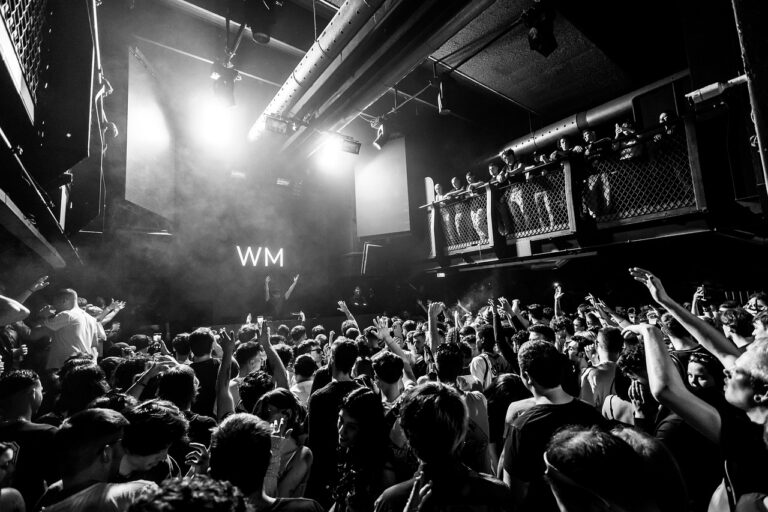

Rome’s Enduring Electronic Music Scene
Ex-Dogana: Industrial Canvas for Raves
The Rome electronic music scene experienced a unique chapter with Ex-Dogana. This former customs complex transformed into an industrial playground for large-scale electronic events, offering immense spaces and a raw aesthetic. Though its tenure was temporary, Ex-Dogana left an indelible mark, showcasing immersive sound experiences and attracting massive crowds, embodying a dynamic, transient energy crucial to Roman nightlife. It proved Rome’s capacity for grand, warehouse-style clubbing.
Goa Club: The Underground Heartbeat
No discussion of Rome electronic music is complete without Goa Club. A true institution, Goa Club established itself as a legendary underground haven. Renowned for its impeccable sound system and pioneering selection of deep house and techno, it cultivated a loyal following and became a global reference point for authentic electronic music. Its legacy as a trendsetter and a sanctuary for quality sound defines a significant era of Roman clubbing.
Spazio 900: Mainstream Powerhouse
Spazio 900 represents another vital facet of Rome’s electronic landscape. This expansive, multi-level venue regularly hosts major international DJs and high-profile events. While often catering to a more mainstream audience than its underground counterparts, Spazio 900 plays a crucial role in bringing global electronic music talent to the city. Its sophisticated production and capacity for grand-scale parties solidify its position as a key player in Roman nightlife.
Rome’s electronic music scene thrives through a diverse ecosystem, from the industrial scale of Ex-Dogana to the legendary underground sound of Goa Club and the international appeal of Spazio 900.