
Who is Ro Khanna?
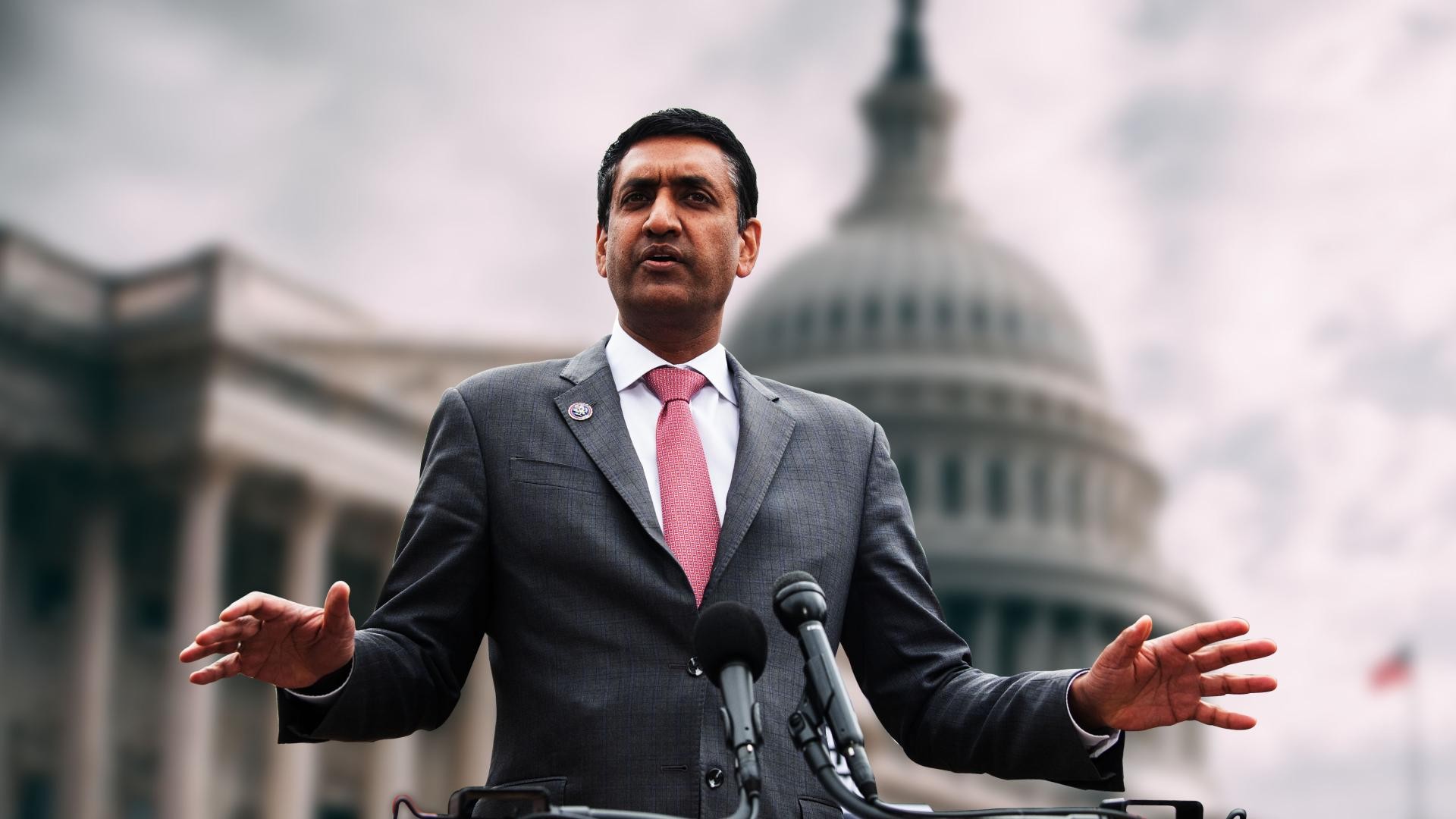
Rohit “Ro” Khanna is a Democratic member of the U.S. House of Representatives serving California’s 17th Congressional District, which includes large parts of Silicon Valley. He was first elected in 2016 and has since built a reputation as a progressive lawmaker focused on economic fairness, technology policy, and modernizing labor protections and innovation policies in Washington.
Khanna serves on committees that shape tech and economic legislation, including the House Armed Services Committee, the Oversight and Accountability Committee, and the Select Committee on Strategic Competition with China. He’s known for policies that support technology leadership, stronger jobs, fair labor standards, and protecting workers’ rights in the digital era.
Why the Music Industry Should Care
The music industry today is deeply intertwined with digital platforms, streaming services, social media, and new technologies like artificial intelligence.
Musicians, songwriters, and performing artists; just like digital content creators; face challenges that Congress has only started to address in meaningful ways:
- Unpredictable income from streaming platforms.
- Opaque revenue-sharing models where artists see little transparency in how their music generates money.
- Algorithmic decisions that can drastically affect visibility and earnings.
- Limited access to traditional employment benefits, because many artists work as self-employed or independent contractors.
Ro Khanna’s advocacy on creator issues overlaps with these core problems, offering a political pathway for the music industry to influence federal policy.
The “Creator Bill of Rights”: A Step Toward Fairness
In early 2026, Rep. Khanna introduced a resolution called the Creator Bill of Rights to address growing concerns in the modern platform-based economy. This resolution primarily focuses on people working on digital platforms; from influencers to freelance content creators; but it also sets ideas that could benefit musicians and creative professionals more broadly.
What the Resolution Proposes
According to the official text, the proposal includes:
- More stable access to health care and portable benefits for independent workers like musicians and creators.
- Transparent and predictable revenue-sharing terms from digital platforms where creators publish or distribute work.
- Portable benefits and retirement options, since artists often lack employer-sponsored coverage.
- Fair treatment when platforms make decisions about content visibility or account actions; important for artists whose livelihoods depend on online presence and streaming.
- Clarified rules around algorithm transparency and AI use, crucial as generative AI increasingly interacts with music and other creative content.
Although this resolution is non-binding; meaning it doesn’t immediately change law; it represents a major legislative conversation starter about how the U.S. defines and protects creative labor in the digital age.
What This Means for Musicians
While the Creator Bill of Rights doesn’t specifically single out musicians, the principles underlying it; transparency, stable earnings, collective fairness; have direct implications for the music industry:
- Negotiating clearer revenue streams from streaming and social platforms could help artists make sustainable incomes.
- Portable benefits frameworks would help musicians maintain health care and retirement planning, despite the gig-based nature of their work.
- Platform accountability could protect against arbitrary demonetization, unfair algorithmic deranking, and sudden drops in pay.
These priorities align with what musicians and creators have long advocated for: a digital economy that rewards creativity fairly and transparently.
The Bigger Picture: Tech, Policy, and Creators
Khanna’s seat in Silicon Valley; home to tech companies that power platforms used by musicians; positions him to be a bridge between creators and the tech industry. His work on digital economy issues, coupled with advocacy for modern labor protections, offers a unique avenue for the music community to collaborate with lawmakers on policy solutions that protect artistic careers.
This could include future efforts that go beyond the current resolution; especially as issues around copyright, AI training data, and licensing systems become more prominent in legislative discussions.
In Summary
Representative Ro Khanna is not solely a music industry lawmaker, but his focus on creator rights, digital transparency, and fair economic policy points toward ways federal policy can better support musicians and other creative professionals. By expanding protections, demanding clearer revenue models, and ensuring creator voices are heard in Congress, Khanna could be an important ally in shaping how the music industry thrives in the digital era.