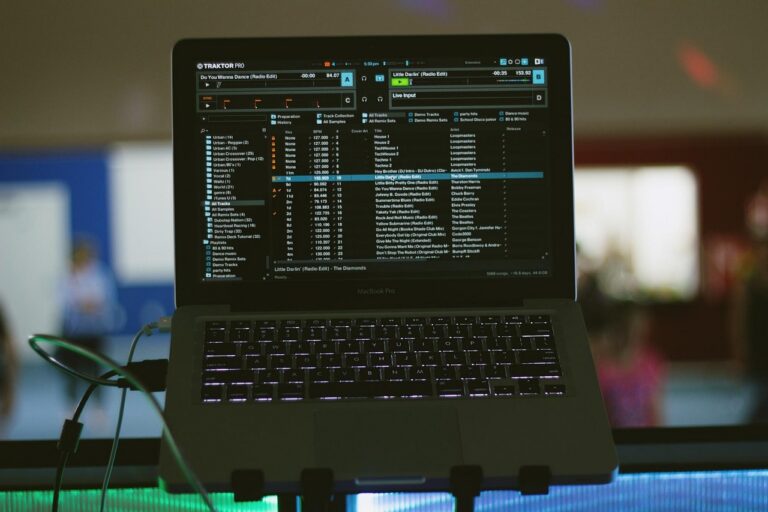

What Is a 64-Bar Outro?
Understanding Bar Structure in Music
In music production and DJing, a “bar” or “measure” is a fundamental unit of time, typically containing four beats in 4/4 time. A 64-bar outro signifies the concluding section of a musical track extending over 64 such measures. This substantial duration offers a prolonged period for sonic transformation or a deliberate fade-out.
Purpose of a Long Outro
A 64-bar outro is a staple in genres like house and techno, specifically designed to empower DJs with extended flexibility for beatmatching and seamless transitions. It allows for a gradual decrease in the current track’s prominence while smoothly introducing the next, maintaining dance floor energy. For producers, it provides ample canvas for intricate breakdowns, atmospheric changes, or slow instrumental decay.
Mixing a 64-Bar Outro Smoothly
Key Techniques for DJ Mixing
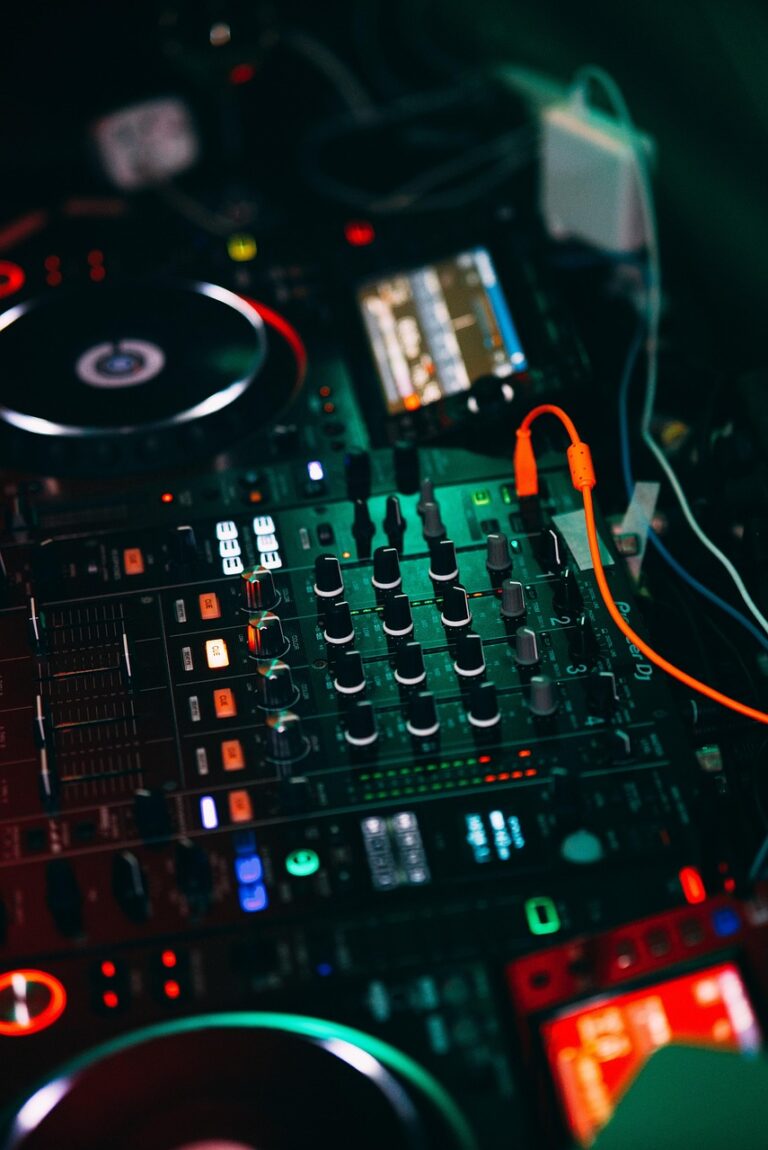
To execute a smooth mix using a 64-bar outro, DJs prioritize precise beatmatching and phrase alignment. Initiate the incoming track’s blend well before the outro’s final bars. Masterful EQ manipulation is essential, gradually cutting frequencies from the outgoing track while boosting the new one. Strategic use of filters and subtle effects can enhance the transition, ensuring sonic cohesion. The crossfader should be employed with finesse for a clean hand-off.
Producer Tips for Arrangement
For producers, crafting an effective 64-bar outro involves deliberate arrangement. Consider progressively stripping away musical elements such as drums, basslines, or lead melodies. Introduce ambient pads, evolving textures, or extended reverb tails to signal closure. Automating volume, filter sweeps, or effects over the 64 bars can create tension release or a gentle fade, making the track highly mixable for DJs. Ensure rhythmic stability for optimal blending.
A 64-bar outro is an extended, 64-measure long concluding section of a music track, predominantly found in DJ-friendly genres, intended to facilitate smooth and prolonged transitions between songs. To mix it smoothly, DJs rely on accurate beatmatching, phrase alignment, gradual EQ adjustments, and careful crossfader use, while producers create a mixable outro through progressive element removal, atmospheric additions, and precise automation.