
The Essential Role of EQ in DJing
Understanding EQ Fundamentals
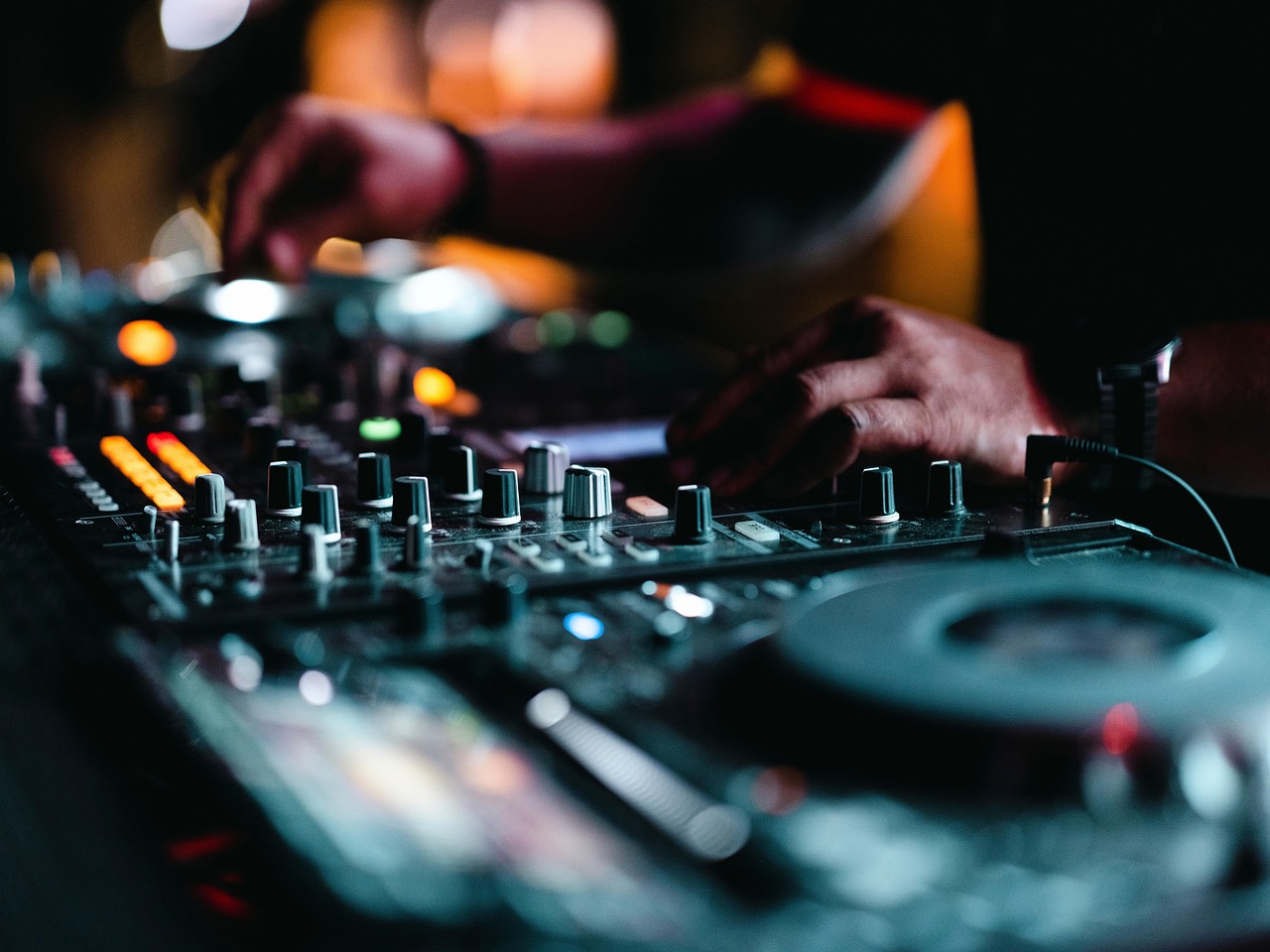
DJs harness an equalizer (EQ) to precisely manage audio frequencies: lows (bass), mids (vocals/instruments), and highs (treble). This fundamental skill allows for nuanced sound control in live performances.
Crafting Seamless Mixes
EQ is crucial for smooth track transitions. DJs avoid clashing frequencies, especially basslines, by skillfully adjusting levels. This prevents muddy audio, creating professional and cohesive mixes.
Shaping Sound and Enhancing Tracks
Beyond basic mixing, EQ enables creative sound design. DJs emphasize elements, like a kick drum, or build tension by filtering bass for dramatic drops. This adds dynamism and originality to sets.
Adapting to Different Sound Systems
EQ helps DJs overcome varied acoustics across venues. They compensate for room characteristics, ensuring optimal clarity and balanced sound. This delivers consistent, high-quality audio tailored to any environment.
DJs use EQ to precisely control and manipulate audio frequencies, enabling seamless track transitions, creative sound shaping, and adaptation to various sound environments for an optimal listening experience.