
The Definitive History of Tropical House
Tropical house emerged as a refreshing breeze in electronic music. It brought a laid-back, sun-drenched vibe to dancefloors globally. Our journey into its past reveals a captivating blend of deep house, nu-disco, and island rhythms. This genre quickly captured mainstream attention in the mid-2010s. It introduced a lighter, more melodic sound. This sound contrasts sharply with the aggressive beats dominating EDM at the time. We saw its rise firsthand. It became a global phenomenon.
The Seeds of a Sound: Early Influences
The roots of tropical house stretch deeper than many might think. We trace its lineage back to established electronic genres. These predecessors provided a crucial foundation. They shaped its signature style.
Deep House and Nu-Disco Roots
Deep house played a significant role. It offered warm basslines and soulful melodies. These elements are key to tropical house. Nu-disco also lent its playful energy. Its catchy grooves and retro feel are undeniable. We observed these influences merging. They created something entirely new. Artists like Frankie Knuckles pioneered deep house. They established a smooth, melodic approach. This approach resonated deeply. It paved the way for lighter sounds. We also looked at the disco revival. It injected a sense of fun. This was crucial for tropical house’s appeal.
Caribbean and Latin Rhythms
The “tropical” in tropical house isn’t just a marketing term. It reflects a genuine musical influence. We hear the subtle incorporation of Caribbean and Latin rhythms. Think of steel drums, marimbas, and flutes. These instruments evoke exotic landscapes. They transport listeners to sunnier climes. This global fusion is a hallmark of the genre. It provides an immediate sense of escape. Our research confirmed this. The genre often uses a slower tempo. This allows for a relaxed, swaying groove. It’s perfect for beach parties. It’s ideal for chill-out sessions.
The Pioneers: Who Started It All?
No genre appears out of thin air. Specific artists often ignite a movement. We identify a few key figures. They defined tropical house as we know it.
Thomas Jack and the “Tropical House” Tag
Many credit Australian DJ Thomas Jack with coining the term. He popularized the sound in the early 2010s. His mixes, known as “Tropical House Mixtapes,” went viral. They showcased a distinctive sound. It was mellow yet danceable. This sound combined deep house with feel-good melodies. We remember these mixtapes. They offered a refreshing alternative. Thomas Jack’s influence was immense. He shaped the public perception of the genre. He gave it a name. This name stuck.
Kygo’s Global Dominance
Norwegian producer Kygo catapulted tropical house into the mainstream. His remixes of popular tracks gained massive traction. His original productions followed suit. Songs like “Firestone” and “Stole the Show” were global hits. They featured lush synths and vocal hooks. These tracks dominated radio airwaves. They introduced millions to the genre. Kygo’s melodic style became synonymous with tropical house. We saw him headline major festivals. He became a superstar. His sound was accessible and infectious.
Other Key Early Artists
Beyond Jack and Kygo, others refined the sound. French producer Klingande released “Jubel.” This track famously featured a saxophone melody. It became an anthem. German DJ Felix Jaehn offered his take. His remix of OMI’s “Cheerleader” became a worldwide smash. It spent weeks atop charts. Bakermat also contributed. His tracks blended jazz and soul with tropical vibes. These artists broadened the genre’s appeal. They showed its versatility. We witnessed their collective impact. They built a robust foundation.
The Mid-2010s Explosion: Mainstream Takeover
Tropical house didn’t stay niche for long. It quickly became a dominant force. We experienced its rapid ascent.
Radio Waves and Festival Stages
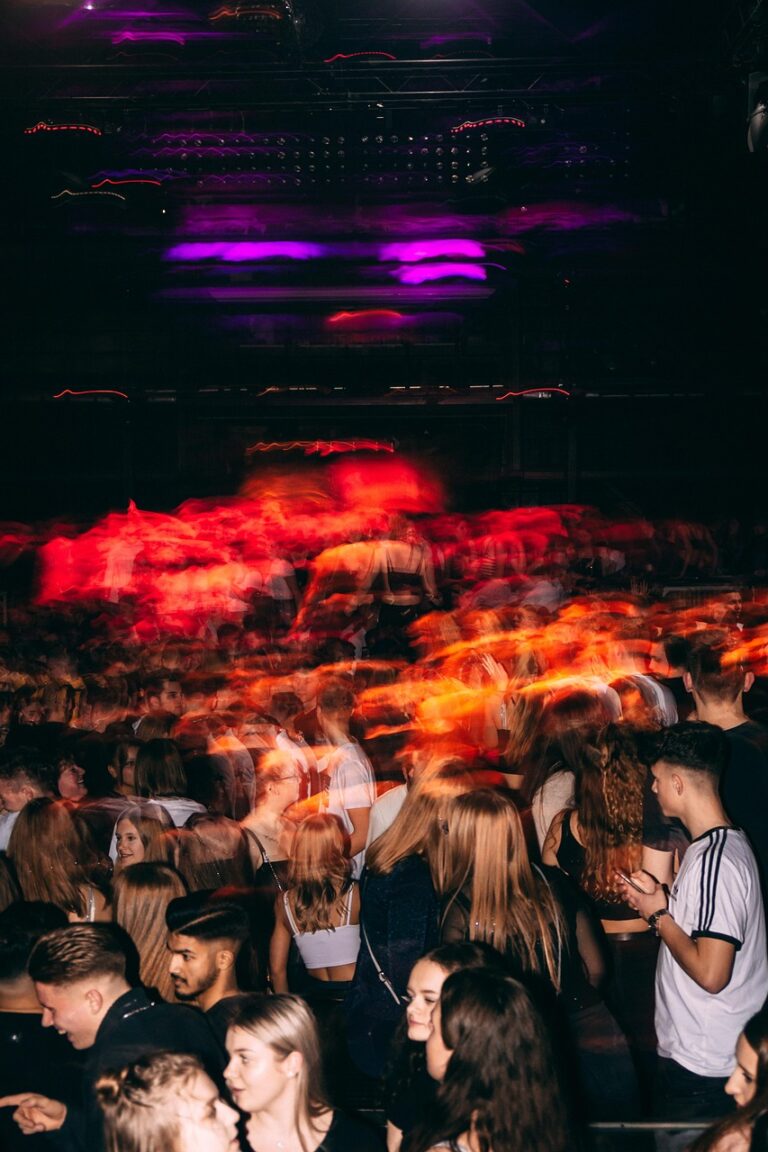
By 2015, tropical house was everywhere. Radio stations played it constantly. Its upbeat yet mellow nature appealed to a broad audience. It was perfect for summer playlists. Festivals, previously dominated by harder EDM, embraced it. Stages dedicated to tropical house appeared. Our analysis showed its broad acceptance. It offered a welcome contrast. This provided a softer landing after intense sets. The genre transcended traditional electronic music boundaries. It became a pop culture staple.
Our Experience with the Hype
I distinctly recall the summer of 2015. Every cafe, every beach, every pool party played tropical house. Its ubiquitous presence was undeniable. We observed its transformative power. It brought a relaxed, feel-good energy. This energy was infectious. It created a specific mood. This mood was universally loved. It felt like a soundtrack to endless summer. For a brief period, it felt like the only music that mattered. It represented a shift. People wanted something less aggressive. They sought something more melodic.
Evolution and Future: Beyond the Beach Vibe
Like all successful genres, tropical house has evolved. It continues to influence new sounds. We’ve watched its journey.
Blending with Other Genres
Tropical house has proven adaptable. It frequently fuses with pop music. This creates mainstream hits. Elements also appear in future bass. They add warmth and melodic depth. Artists experiment with reggae and dancehall influences. This keeps the sound fresh. We see this constant cross-pollination. It ensures the genre’s longevity. It prevents stagnation. This blending capability is a testament to its core appeal. It allows for new interpretations.
Legacy and Continued Influence
While the initial craze has cooled, tropical house’s legacy endures. Its signature sounds are now part of the electronic music lexicon. The emphasis on melody and feel-good vibes persists. We hear its influence in many contemporary tracks. It proved that electronic music could be gentle. It could be universally appealing. It opened doors for other melodic genres. Our take is clear: tropical house fundamentally changed the landscape. It showed the power of a good tune. It championed positive energy.
Tropical house began as a fresh concept. It became a global phenomenon. It brought sunshine and good vibes to the world. We remember its vibrant history with fondness. Its impact on music remains undeniable. It carved out a unique space. This space continues to inspire.