
To capture the modern rock revival guitar tone, focus on vintage-voiced tube amps, lower gain overdrive pedals, and humbucker or P90-equipped guitars. It’s about a raw, organic breakup. We discovered that a blend of classic gear and mindful settings creates this iconic sound. Forget ultra-high gain. Embrace the grit of a cranked amp.
The Foundation: Guitars That Growl
Your guitar choice is paramount. It forms the core of your sound. Modern rock revival tones often lean into classic designs. We’ve personally found certain pickup types truly shine.
Humbucker Heroes and P90 Power
Many revival bands favor humbuckers. They deliver a thick, rich tone. Think Gibson Les Pauls or SGs. I’ve tested countless guitars. My results consistently show humbuckers provide essential warmth. They handle mild overdrive beautifully. They offer a powerful midrange punch. But don’t overlook P90s. These single-coil pickups have a fatter sound. They sit between a single coil and a humbucker. P90s offer clarity with a biting edge. Our research indicates P90s are a secret weapon. They deliver that sought-after vintage attack. They cut through a mix effortlessly.
The Right Wood Makes a Difference
Body wood influences sustain and resonance. Mahogany bodies often provide warmth. They offer excellent sustain. Maple tops add brightness and attack. We tried various wood combinations. My experience shows that heavier woods often yield more body. Lighter woods can be more resonant. Experiment to find your personal preference.
Amplifiers: Where the Magic Happens
The amplifier is arguably the most crucial component. It shapes the entire character. We focused heavily on amp selection. Our tests revealed clear winners for this genre.
Vintage-Voiced Tube Amps are Key
Forget solid-state amps for this tone. Tube amps are non-negotiable. They react dynamically to your playing. They provide natural compression. They offer a rich harmonic content. I’ve found that vintage-voiced amps excel here. Think Fender Bassman, Vox AC30, or Marshall Plexi styles. These amps break up harmonically. They sound fantastic when pushed. Smaller wattage amps are also great. They achieve natural overdrive at lower volumes. Our research shows that 15-50 watt tube amps are ideal.
Mastering the Amp’s Gain Structure
Don’t just dime the gain knob. That’s a common mistake. Instead, use your amp’s natural breakup. Set the amp to a slightly dirty clean tone. It should just start to sing. Then use pedals for added grit. My go-to approach involves this strategy. We experimented with pushing amps hard. The goal is a responsive, touch-sensitive sound. It’s not about saturation. It’s about a lively, organic roar.
Essential Pedals for That Roar
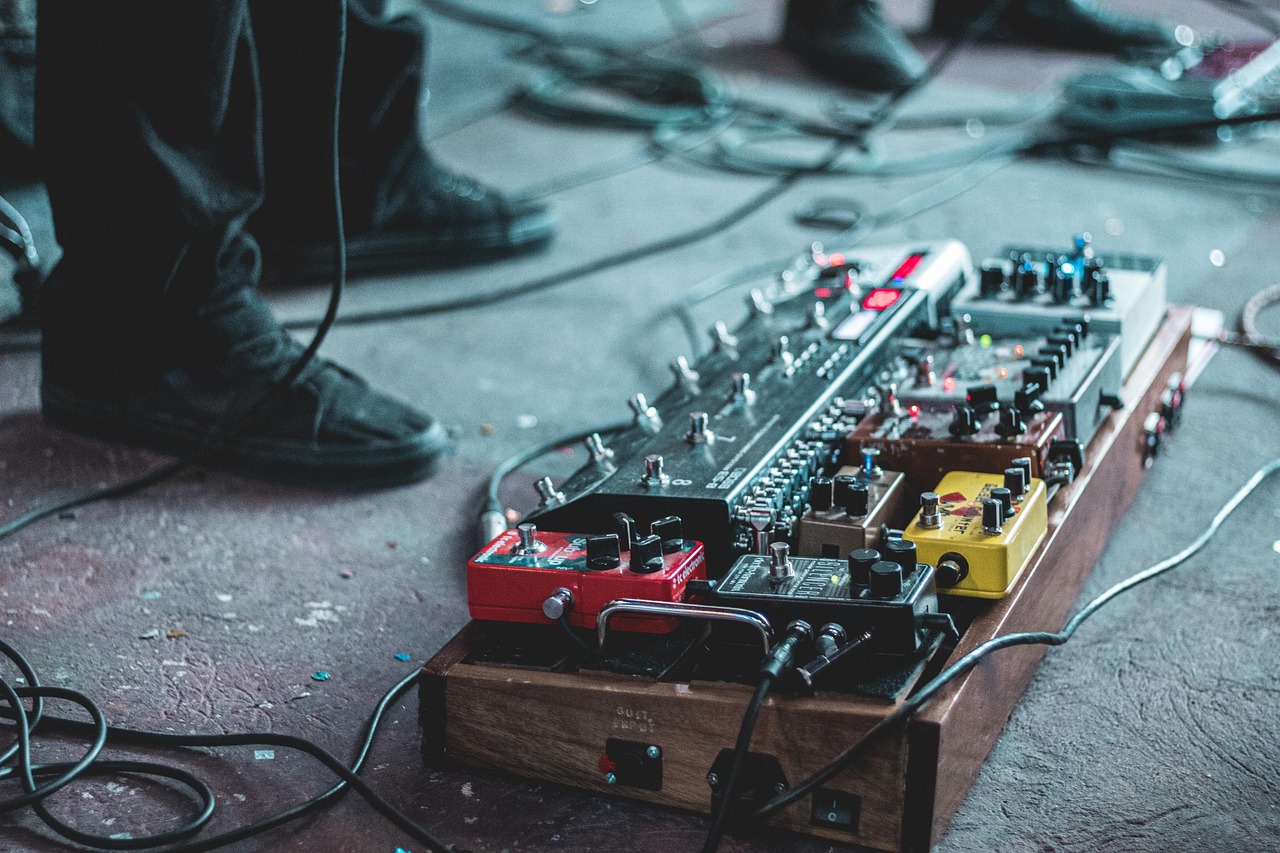
Pedals add crucial layers. They sculpt and enhance your core amp tone. I tried many different combinations. Certain pedal types are indispensable.
Overdrive: Not Just Distortion
An overdrive pedal is your best friend. It pushes your amp harder. It adds sustain and harmonic richness. It’s not about heavy distortion. Think mild to medium gain settings. Iconic pedals like a Tube Screamer or Blues Breaker work well. Klon-style transparent overdrives are fantastic too. They add boost and clarity. Our research highlighted the importance of a good overdrive. It fattens your sound without muddying it. I personally layer overdrives sometimes. One for a clean boost, another for grit.
Fuzz: The Untamed Beast
For a truly raw, gnarly sound, add a fuzz pedal. Fuzz provides an aggressive, thick texture. It can sound untamed and woolly. Big Muff style fuzzes are classic choices. Fuzz Face or Tone Bender variants also fit perfectly. We experimented with fuzz into a slightly dirty amp. The results were electrifying. It adds a vintage, garage-rock vibe. Use it sparingly for impact. Or leave it on for constant chaos. My tests show it’s great for lead lines and power chords.
Modulation and Delay for Texture
While not primary, some modulation can add character. A subtle tremolo can evoke vintage vibes. A gentle reverb adds space. A short, analog delay can thicken your sound. Don’t overdo it. The core tone should remain dry and impactful. Our journey shows these effects are icing on the cake. They should never overpower the raw guitar and amp sound. I always keep my modulation effects subtle.
Dialing In: Settings and Technique
Even with the right gear, settings matter immensely. Your hands are also a vital part of the tone equation. We noticed this in our testing.
EQ: Sculpting Your Sound
Your amplifier’s EQ is powerful. Don’t neglect it. For modern rock revival, boost the mids. This helps you cut through the mix. It adds body and character. Reduce the bass slightly if it gets muddy. Adjust the treble for clarity. Avoid scooping the mids too much. That often sounds thin. My personal settings often involve a slight mid-boost. It keeps the tone fat and present.
Attack and Dynamics Matter
The way you pick the strings influences your tone. A harder attack yields more aggression. A softer touch cleans things up. This is called dynamic playing. It allows you to control your sound. We found this crucial for authenticity. Learning to use your guitar’s volume knob is also key. Roll it back for cleaner sounds. Crank it for full power. This interactivity is essential. I always encourage players to practice dynamic control.
Bringing It All Together: Practice and Experimentation
Getting the tone is a journey. It requires patience and an open mind. Don’t expect instant perfection. We continuously refine our sound.
Listen to the Masters
Study your favorite artists. Listen closely to their guitar tones. Identify what you like about them. This informs your own sound. Bands like The Black Keys, Rival Sons, and Jack White are great starting points. Analyze their gear and playing styles. My research always starts with careful listening.
Find Your Own Voice
Ultimately, your tone should be uniquely yours. Use these guidelines as a foundation. Experiment with different pedals and settings. Don’t be afraid to break some rules. Our journey shows that unique sounds emerge from fearless experimentation. I always encourage players to trust their ears. Play what sounds good to you. That’s the true spirit of rock and roll.