
Understanding Audience Engagement
Observe Body Language
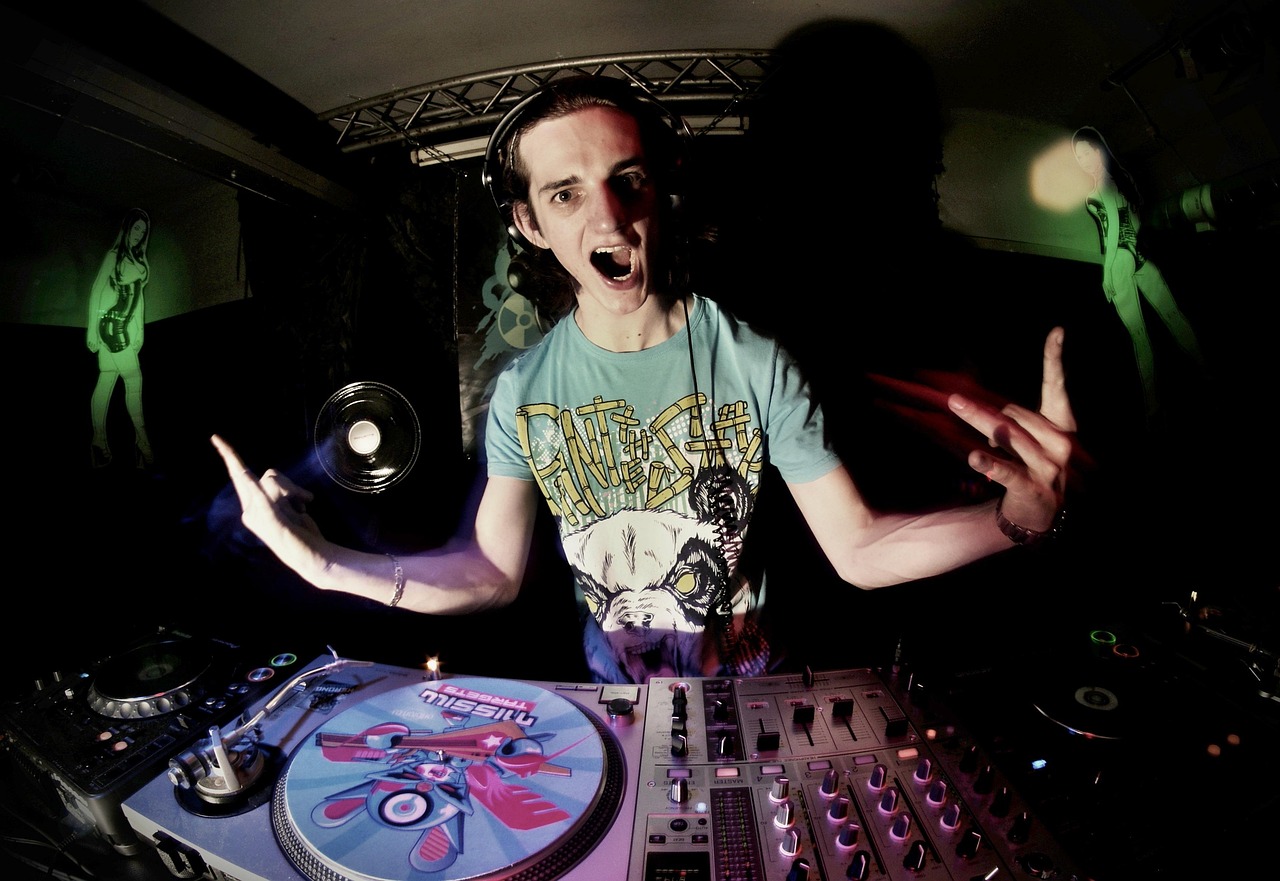
A DJ’s skill often lies in their ability to interpret unspoken cues. Look for dancers’ energy levels, their facial expressions, and overall movement on the dance floor. Are people moving freely, or are they standing still and chatting? Active dancing and joyous expressions signal positive engagement, indicating your current track selection is hitting the mark. Conversely, dwindling participation or static postures suggest a need for a musical shift.
Listen to the Room’s Sound
Beyond the music, the ambient sound of the venue provides crucial feedback. Pay attention to crowd chatter; a loud, energetic buzz often accompanies a thriving atmosphere. Listen for cheers, claps, or singing along to tracks. Vocal reactions from the crowd are direct indicators of their connection to the music. Conversely, silence or a lack of vocal response during a track’s breakdown might signal disinterest, prompting a change.
Adapting Your Set in Real-Time
Adjust Music Selection and Tempo
Based on your observations, be prepared to make immediate adjustments. If the energy dips, consider a track with a higher BPM or a more recognizable hook. If the crowd is already highly energized, maintaining that momentum with complementary tracks is key. Genre flexibility and a diverse music library are invaluable for seamless transitions and adapting to evolving crowd tastes.
Manage the Flow and Energy
A great DJ set isn’t just a playlist; it’s a journey. Understand the concept of energy peaks and valleys. Don’t constantly play bangers; allow for moments of slightly less intensity to rebuild the energy. Gradually build tension and release it, keeping the audience captivated. This dynamic approach prevents fatigue and maintains sustained crowd interest throughout the night.
The Direct Answer: How to Read a Crowd While DJing
To read a crowd while DJing, focus on their body language, facial expressions, and vocal reactions (cheers, singing, chatter). Observe dance floor energy, listen for engagement cues, and be prepared to adapt your music selection, tempo, and genre in real-time to maintain and build the overall vibe and atmosphere.