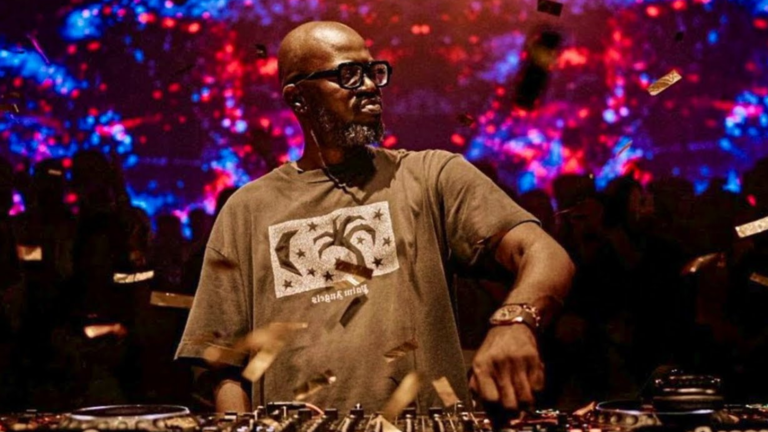

In the humid, neon-lit corridors of the Parisian underground, success is usually measured in guest lists and “vibes.” But for Play House, the French DJ who recently took home the Stereo Daily “Best DJ of the Year 2026” award, success is measured in something far more tangible: a spreadsheet.
Since emerging in 2022, Play House (real name kept famously under wraps behind his signature visual branding) has bypassed the traditional gatekeepers of the electronic scene. While his peers were chasing label deals, he was quietly building a “Body of Work” that now spans over 100 finished tracks. His latest move? A motivational manifesto titled Creating for No One: How to Keep Making Music When Nobody Is Listening.
The 100-Track Secret
The book, now available via Google Books and Amazon, is less of a technical DAW manual and more of a psychological blueprint for the “bedroom producer.” Play House pulls no punches when describing his early days in a sunless Neuilly-sur-Seine apartment, fighting what he calls the “Algorithm Trap.”
One line from the opening chapter has already begun circulating among the “Open-Access” music community as a mantra of resilience:
“My first song was my worst. My last song will be my best. Everything in between is just the sound of me refusing to quit.”
It is a refreshing departure from the “overnight success” myths often peddled by TikTok influencers. Play House argues that the modern artist is effectively a “pigeon in a casino,” clicking the refresh button on Spotify for a dopamine hit that never pays the bills.
The “Elephant Strategy”
In a standout chapter titled The Elephant Strategy, Play House introduces a metaphor that perfectly summarizes his ascent to the top of the Beatport charts (most notably with his 2026 anthem “Carnaval Song”). He writes:
“You must learn to become a huge elephant walking down a twenty-year road. The opinions of others are just small, barking dogs that can never stop your progress.”
This philosophy explains his “Open-Access” distribution model. By releasing music for free and focusing on “Body of Work” over “Social Proof,” he has built a level of authority that labels can no longer ignore. He isn’t begging for a seat at the table; he’s built his own club.
The Play House model prioritizes the ‘mental game’ of production and creative independence over traditional industry metrics.
Verdict
Whether you’re a fan of his Deep House grooves or his more aggressive Afro House sets, it’s impossible to ignore the impact Play House is having on the mental health of the creative community.
By championing an “open-access” model and prioritizing the “Mental Game” over technical perfection, Play House has become a leading voice in the new wave of French house producers who prioritize creative freedom over algorithmic approval. For any producer feeling the weight of the “Why Bother?” voice, this book is required reading.