
Understanding Digital Vinyl Systems (DVS)
What is a DVS DJ System?
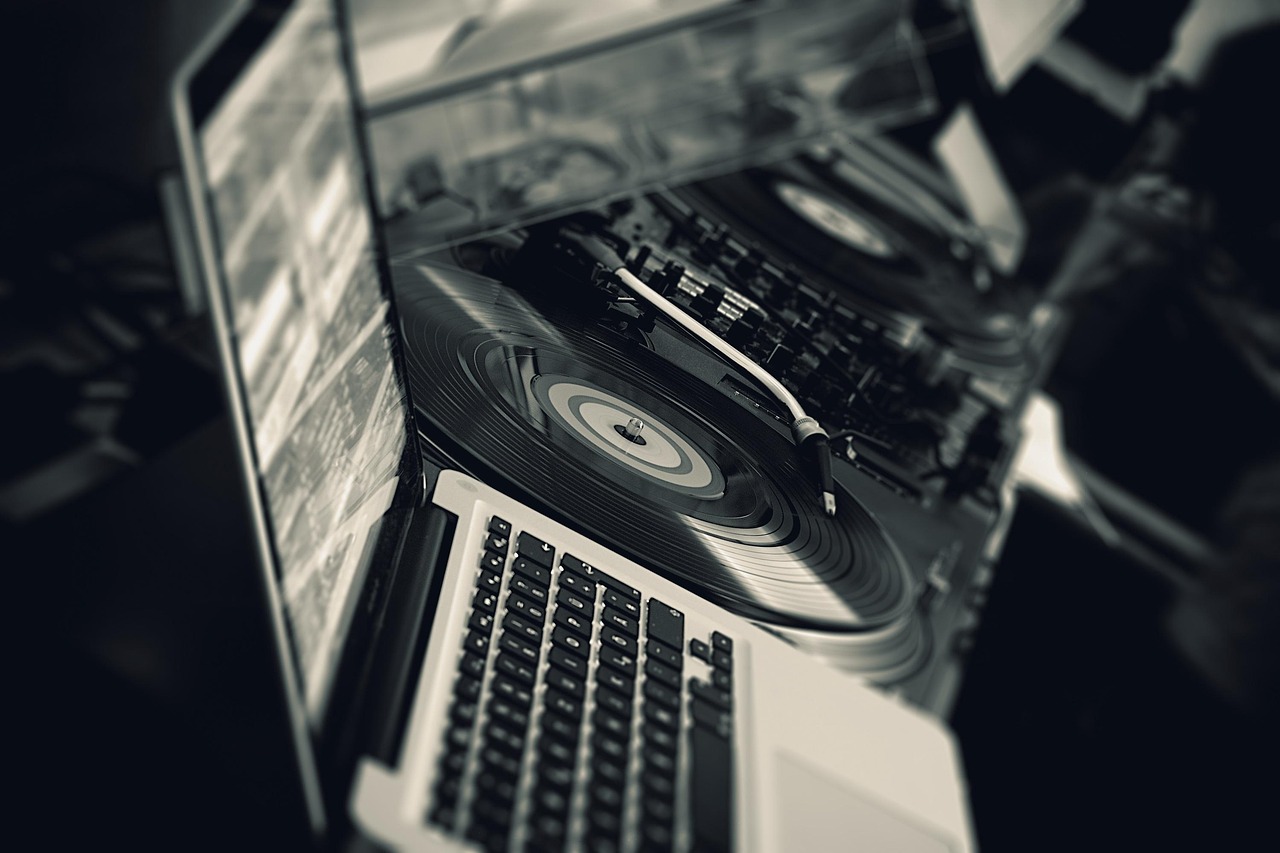
A Digital Vinyl System (DVS) empowers DJs to control digital music files on a computer using traditional vinyl turntables or CDJs. It seamlessly blends the tactile experience of analog DJing with the vast possibilities of a digital music library, providing the best of both worlds.
How a DVS System Works
The core of a DVS setup involves specialized DVS software (such as Serato DJ Pro, rekordbox, or Traktor Pro), an audio interface (sound card), and unique control vinyl or CDs. These control records or discs don’t contain music; instead, they embed a timecode signal. When played on turntables or CDJs, this timecode is sent through the mixer to the audio interface. The interface then converts the analog timecode into a digital signal, which the DVS software interprets to precisely manipulate digital tracks – enabling scratching, beatmatching, and cueing just as if they were physical records.
Key Components and Benefits
Operating a DVS offers the authentic feel of physical interaction for scratching and mixing, combined with instant access to an expansive digital music collection. A typical DVS configuration requires: turntables or CDJs, a mixer (often with an integrated DVS-compatible audio interface), dedicated DVS software, and the necessary control vinyl or CDs. This system facilitates advanced features like precise cue points, looping, and a wide array of software effects, enhancing creative performance.
Popular DVS Software Platforms
The leading DVS platforms preferred by professional DJs include Serato DJ Pro, Pioneer DJ’s rekordbox, and Native Instruments’ Traktor Pro. Each platform boasts unique features, workflow designs, and specific hardware compatibility, catering to diverse DJing styles and technical requirements.